Every concept below is documented in its nation's own entry - teachers, books and sources one tap away. The modern meeting points are Rooted Wisdom's reading: parallels and provocations, each labeled by what the evidence supports and carrying its own limits.
The Anishinaabe of the Great Lakes
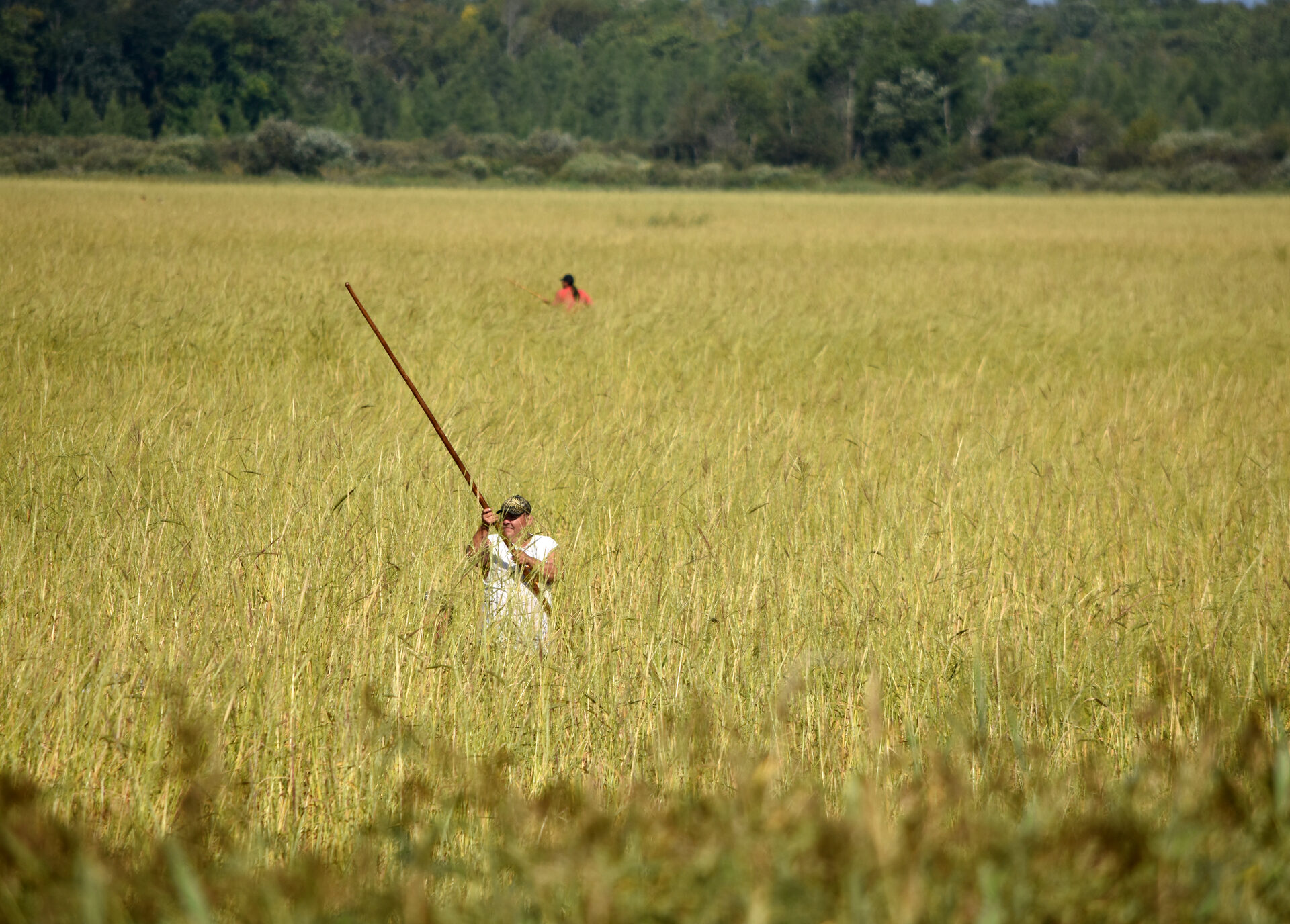
The Honorable Harvest
The rule is: ask before taking, take only what is needed, use what is taken, give back. Harvesting binds the taker to duties of restraint and return.
Rooted WisdomHere restraint is built into the act of taking itself, not added afterward: a binding promise between people and the living world, kept at community scale. Rooted Wisdom offers it as a provocation, not a ready-made policy.
The evidence in the Anishinaabe entry →
The Anishinaabe of the Great Lakes
Seven Grandfather Teachings
The Seven Grandfather Teachings name wisdom, love, respect, bravery, honesty, humility and truth as ethics to practice daily.
Rooted WisdomModern schools call this virtue ethics or character education: the idea that character forms through practice, not instruction. Here the practice is daily, communal and carried across generations.
The evidence in the Anishinaabe entry →
The Yanomami of the Amazon
The falling sky
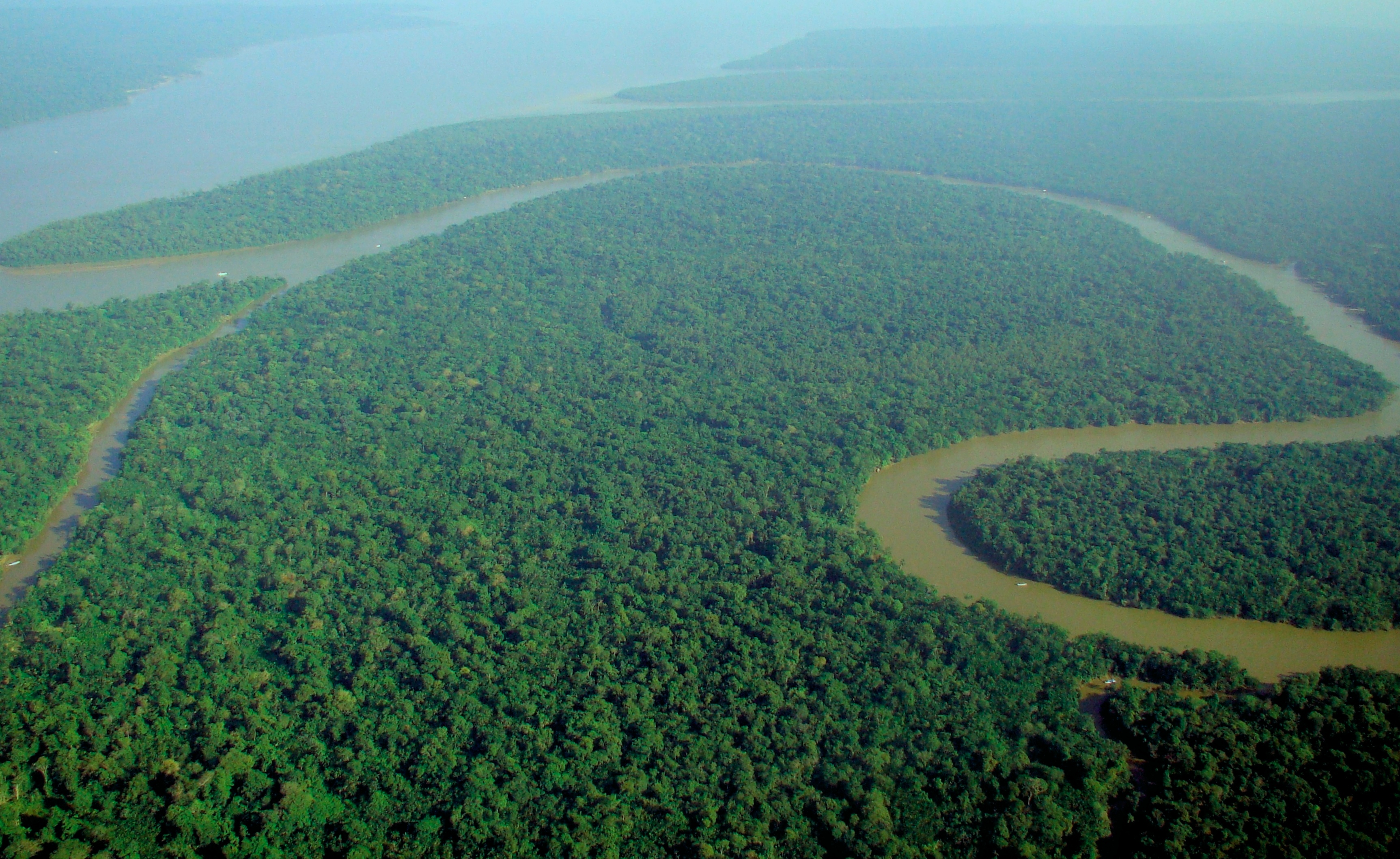
The sky is fragile; the xapiri - the spirit allies shamans call upon - hold it up. When shamans die without passing on knowledge, the sky weakens.
Rooted WisdomThis is a cosmology - a people's account of how the world is built and held together - not a climate model, which is a scientific computer simulation of the atmosphere. What it teaches is an ethic of care at cosmic scale.
The evidence in the Yanomami entry →
The Yanomami of the Amazon
The merchandise dream
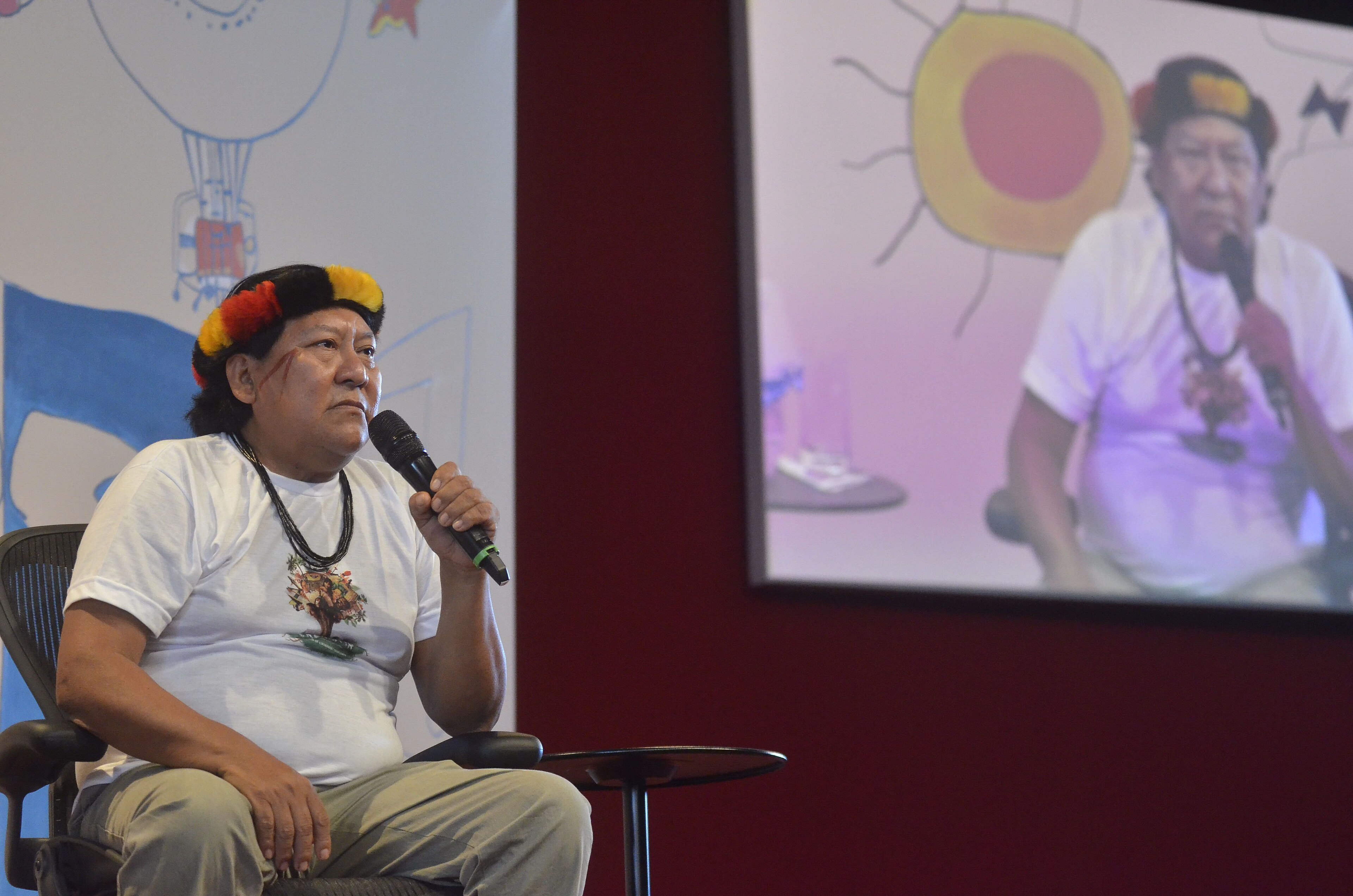
Davi Kopenawa, a Yanomami shaman and his people's best-known spokesman abroad, calls the outsiders' world of goods 'merchandise': it fills even their dreams - goods accumulated against the forest's sharing.
Rooted WisdomKopenawa's words land as a standing critique of buying and hoarding, made from inside an economy built on sharing - where standing comes from what you give, not what you keep.
The evidence in the Yanomami entry →
The Waorani of the Ecuadorian Amazon
'The forest is my teacher'
The line of Nemonte Nenquimo, a Waorani leader who co-founded the Ceibo Alliance - knowledge lived inside the forest, not extracted from it.
Rooted WisdomEducation researchers call this situated learning: people learn best by doing a task in its real setting. The Waorani describe the original practice.
The evidence in the Waorani entry →
The Waorani of the Ecuadorian Amazon
'The less you know, the easier to destroy'
Nenquimo's argument: ignorance lowers value, and lowered value licenses destruction.
Rooted WisdomHer ask is respect, not rescue - a direct answer to systems that price only what they understand.
The evidence in the Waorani entry →
The Inuit of Nunavik
The right to be cold
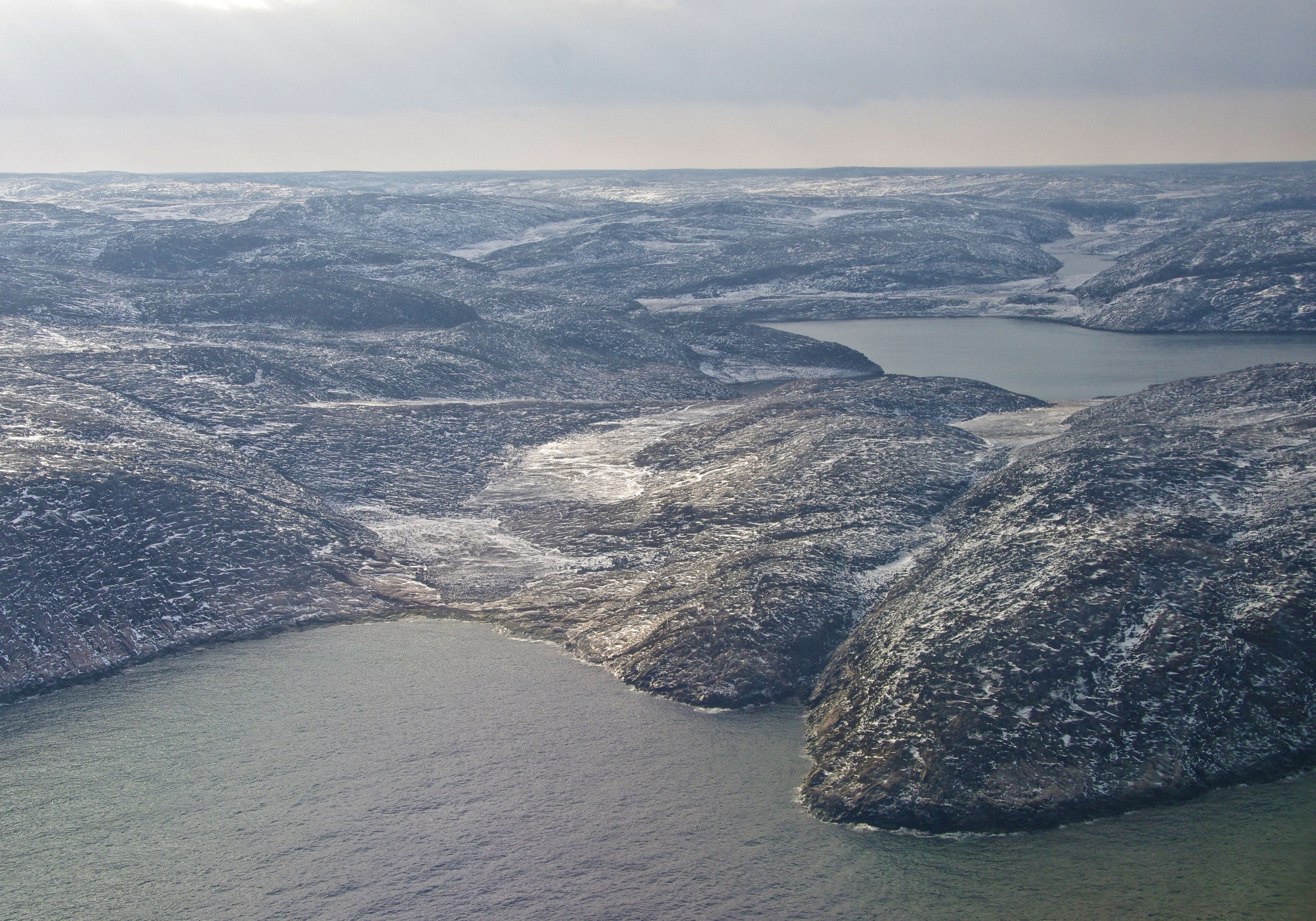
The reframing by Sheila Watt-Cloutier, an Inuit leader from Nunavik in northern Canada: Arctic warming as a human rights violation, not a technical problem.
Rooted WisdomClimate policy speaks in targets and tons; this frames it as rights owed to people who live in the cold - the basis of her 2005 petition to the Inter-American Commission on Human Rights, the Americas' regional rights body.
The evidence in the Inuit entry →
The Inuit of Nunavik
Ice literacy
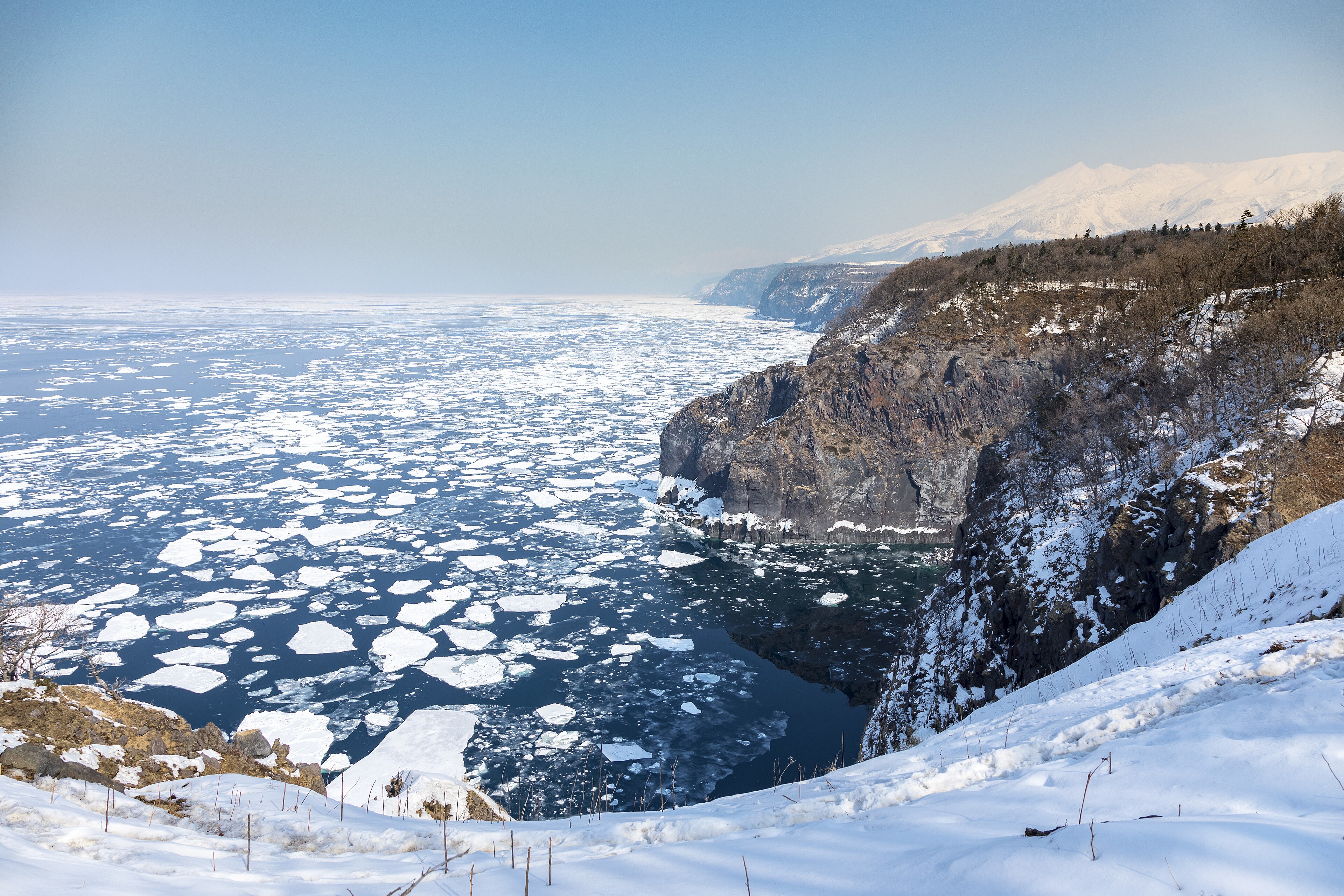
Hunters read knowledge from ice, weather and animal behavior - a working science of a changing Arctic.
Rooted WisdomThe Arctic is warming faster than anywhere else on Earth, and Inuit hunters and elders saw it first - the early signal the rest of the planet now consults.
The evidence in the Inuit entry →
The Sámi of Sápmi
The logic of the gift
The term of Rauna Kuokkanen, a Sámi scholar: knowledge is received as a responsibility to give back, not a resource to own and sell.
Rooted WisdomHer documented critique of research that extracts data and gives nothing back: here, the knower stays accountable to what is known.
The evidence in the Sámi entry →
The Sámi of Sápmi
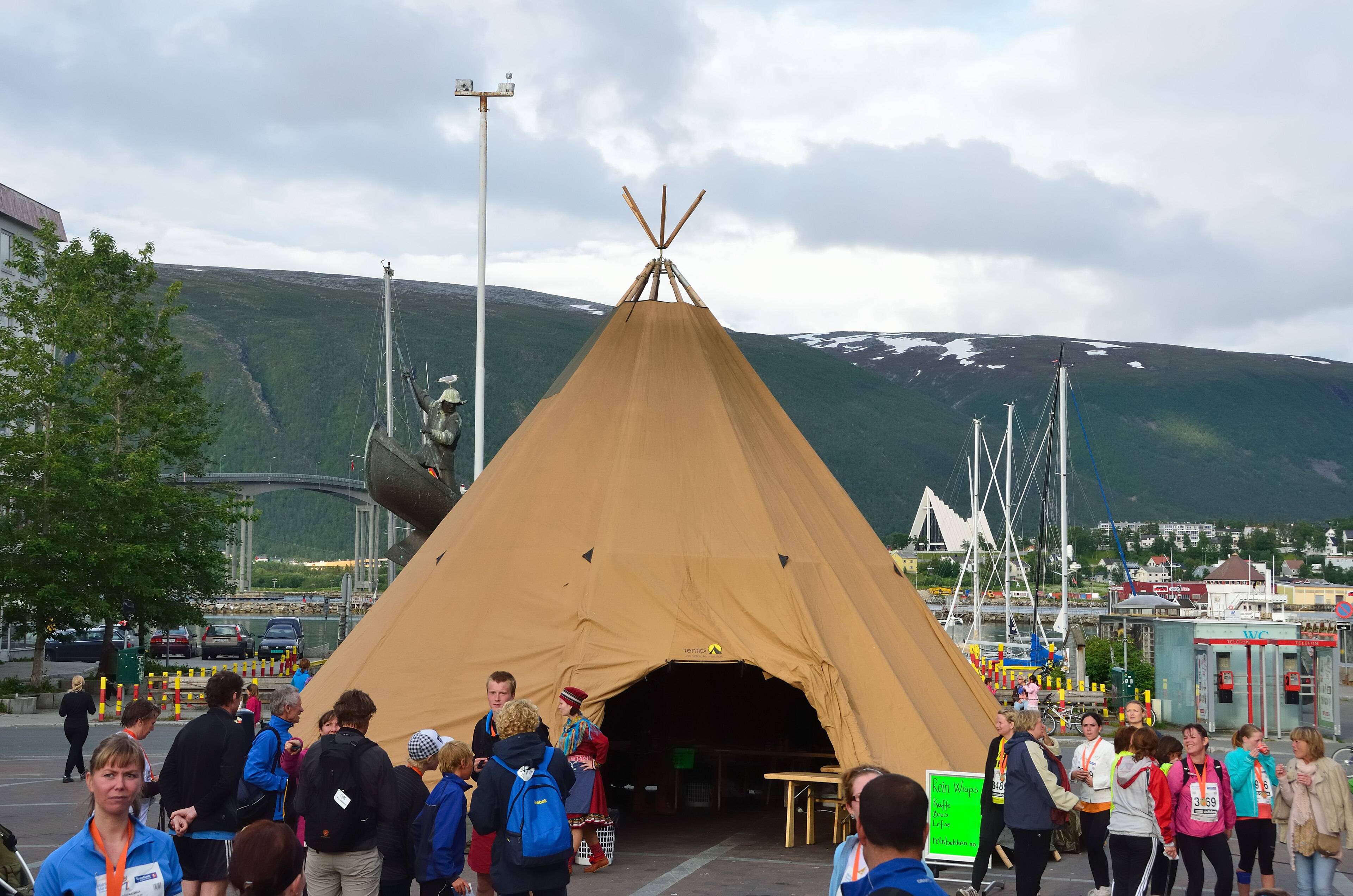
Reindeer herding
Reindeer herding is a livelihood that keeps land, animal and language in one practice.
Rooted WisdomThe green transition met this practice at Fosen, in central Norway, where wind turbines were built on reindeer pasture - and Norway's Supreme Court ruled that herding rights stand under international law.
The evidence in the Sámi entry →
The Māori of Aotearoa
Kaitiakitanga
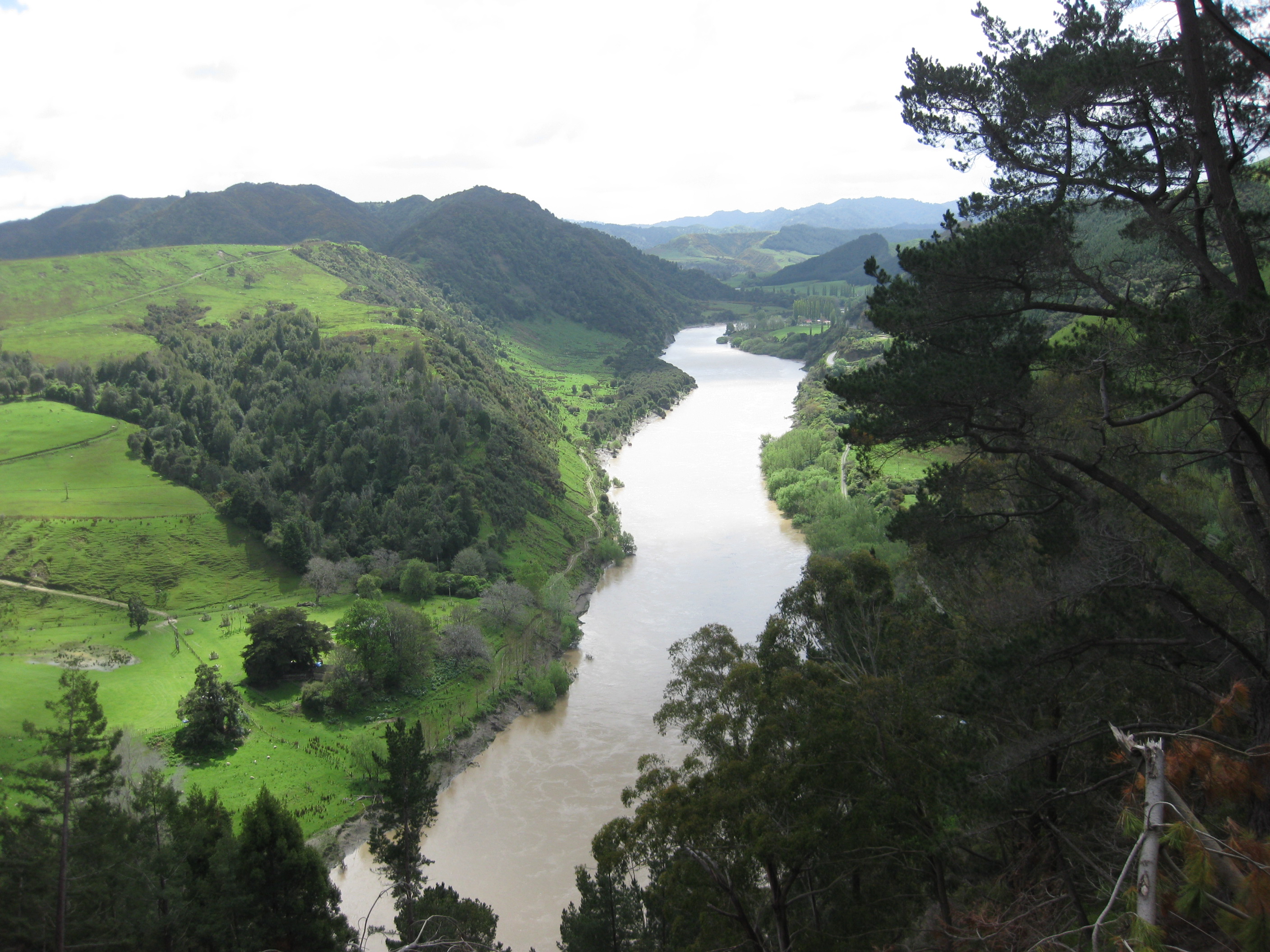
Kaitiakitanga is guardianship owed to the living world - 'I am the river and the river is me' held as obligation, not metaphor.
Rooted WisdomA documented meeting, not a resemblance: New Zealand wrote it into statute in 2017 when the Whanganui River became a legal person.
The evidence in the Māori entry →
The Māori of Aotearoa
Whose knowledge counts
The research program of Linda Tuhiwai Smith, a Māori scholar: whose questions get asked, whose knowledge counts as evidence, who benefits.
Rooted WisdomLinda Tuhiwai Smith's 1999 book asked whose questions get asked and whom research serves; it made that question a field, and research-ethics debates worldwide now run on it.
The evidence in the Māori entry →
The Kānaka Maoli of Hawaiʻi
Wayfinding
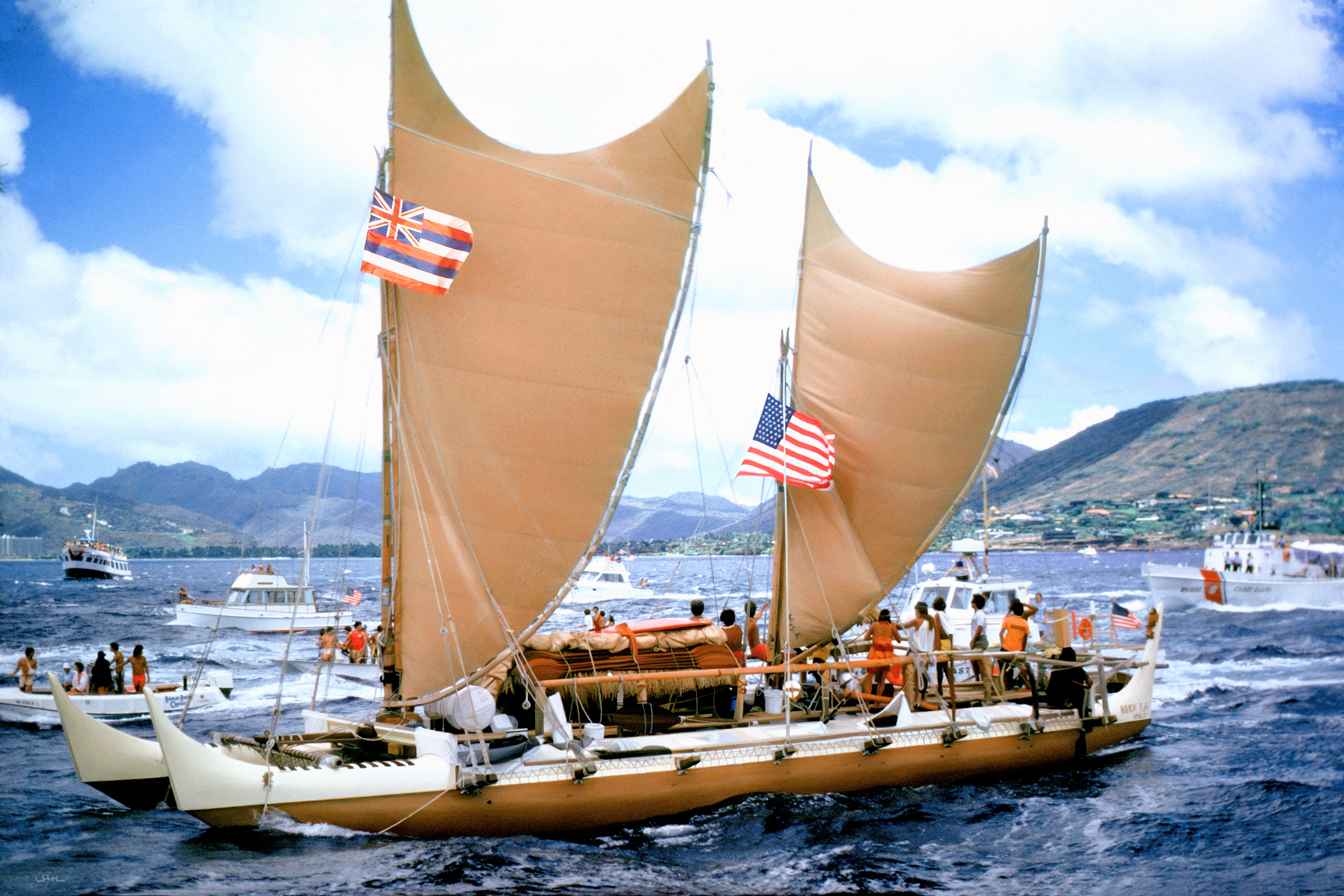
Wayfinders cross thousands of miles of open ocean by stars, swell and birds, without instruments.
Rooted WisdomOutside scholars called deliberate ocean voyaging without instruments impossible - until the Hōkūleʻa canoe sailed Hawaiʻi to Tahiti in 1976. The 'impossible' had been a failure of outside imagination.
The evidence in the Kanaka Maoli entry →
The Kānaka Maoli of Hawaiʻi
Reclamation
Across the twentieth century the Kānaka rebuilt both their navigation and their language - knowledge refusing burial.
Rooted WisdomInstitutions usually archive dying traditions in museums; the Polynesian Voyaging Society sailed one back into daily life, and wayfinding is now practiced across the Pacific.
The evidence in the Kanaka Maoli entry →
The Ainu of Hokkaido
Kamuy
Kamuy are spirits present in animals, fire, water and tools - the world as a society of persons, not a stock of resources.
Rooted WisdomWhere sustainability speaks of ecosystem services, the kamuy relation treats the more-than-human - animals, plants, rivers and other beings - as a counterpart with duties on both sides.
The evidence in the Ainu entry →
The Ainu of Hokkaido
Yukar
The yukar are long oral epics that carried law, history and ecology without writing.
Rooted WisdomOutsiders dismissed Ainu oral tradition as backward for a century; researchers now read such oral transmission as a durable archive - and the Ainu are rebuilding theirs in public.
The evidence in the Ainu entry →
The Maya K'iche' of Guatemala
Popol Vuh
The Popol Vuh is the creation book: a people shaped from maize, and a history kept alive through conquest.
Rooted WisdomMemory held the Popol Vuh - the K'iche' book of creation - through conquest: the text survived because people carried it, not because institutions preserved it.
The evidence in the Maya K'iche' entry →
The Maya K'iche' of Guatemala
The milpa
The milpa grows maize, beans and squash as one system - agriculture as a community of species.
Rooted WisdomAgroecology - the science of farming with ecosystems - studies the milpa as a working polyculture: many crops grown together so pests stay balanced and beans feed the soil nitrogen, with no synthetic inputs, centuries before the discipline named it.
The evidence in the Maya K'iche' entry →
Aboriginal Australia: Many Nations
Country
Country is land as a living relative, with knowledge and law of its own - more than territory, more than resource.
Rooted WisdomRights-of-nature law now grants places legal standing - the right to be represented in court. Country has carried that relation for millennia.
The evidence in the Aboriginal Australia entry →
Aboriginal Australia: Many Nations
Songline
Walking paths across Australia whose songs hold law, navigation and ecology - a memory system laid along the land it describes.
Rooted WisdomCognitive science now studies oral memory beside the classical memory palace - the same architecture, reached independently.
The evidence in the Aboriginal Australia entry →
The Ovaherero and Nama of Namibia
Memory as discipline
Ovaherero and Nama families kept the names of the dead, and the sites of the wells and camps, in oral tradition and church record through a century of displacement.
Rooted WisdomTruth and reparations processes run on records kept like these; the Ovaherero and Nama preserved the memory of 1904-1908 before anyone asked for it as evidence.
The evidence in the Ovaherero–Nama entry →
The Ovaherero and Nama of Namibia
The word 'genocide'
Descendant organizations spent decades forcing the word into official German speech - naming as a legal act.
Rooted WisdomRecognition politics - the long work of making a state name what it did - now shapes official speech worldwide; this case shows the cost and the timeline: Germany took 117 years, from 1904 to its 2021 recognition of the genocide.
The evidence in the Ovaherero–Nama entry →
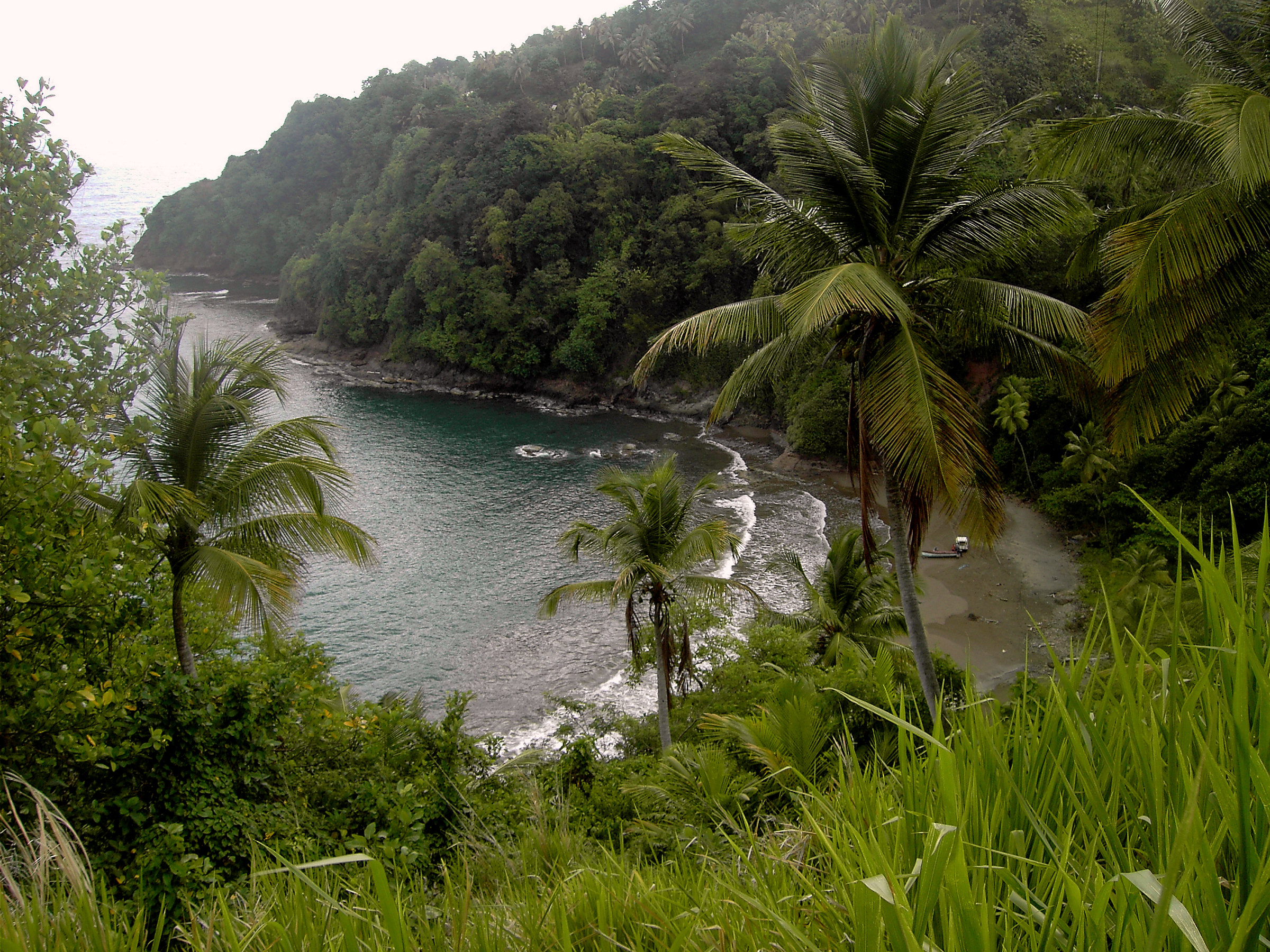
The Kalinago of Waitukubuli (Dominica)
The ceiba
The ceiba is the great tree held to house spirits - the forest as inhabited, never empty.
Rooted WisdomA forest people live in is protected differently from a forest treated as timber stock: the Yanomami defend theirs because it is home, ancestor and provider - and the deforestation data shows that boundary holds.
The evidence in the Kalinago entry →
The Kalinago of Waitukubuli (Dominica)
The dugout canoe
The dugout canoe is a single trunk of wood worked differently for river, coast or open sea - technology fitted to water, not imposed on it.
Rooted WisdomOne shared tradition of reading water - swells, currents, winds and stars - served river, coast and open ocean alike, applied differently to each.
The evidence in the Kalinago entry →
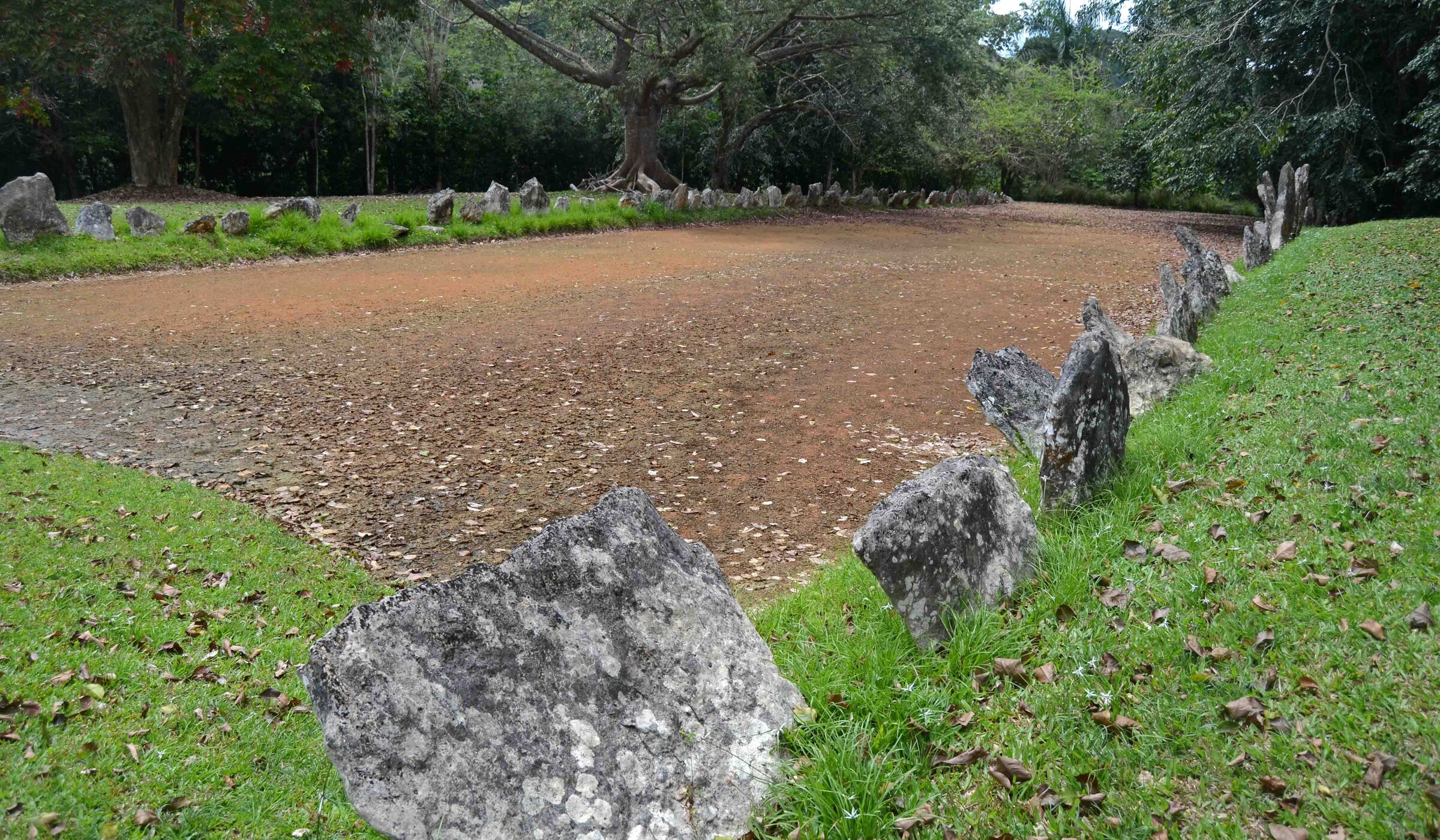
The Taíno of the Greater Antilles
The conuco
The conuco is a mound garden of cassava, maize, beans and squash - farming thin tropical soils with the forest's logic.
Rooted WisdomAgroecology - the science of farming with ecosystems - studies the Taíno conuco, a family field of many crops planted together, as a living system: a standing answer to fragile tropical soils, hurricanes and hungry fleets.
The evidence in the Taíno entry →
The Taíno of the Greater Antilles
Zemís
Zemís are spirit presences held in carved stone, wood and cotton - the sacred kept as part of household life.
Rooted WisdomTaíno zemís - objects holding spirit in daily life, from carved figures to sacred stones - resist the modern split between useful things and meaningful ones.
The evidence in the Taíno entry →
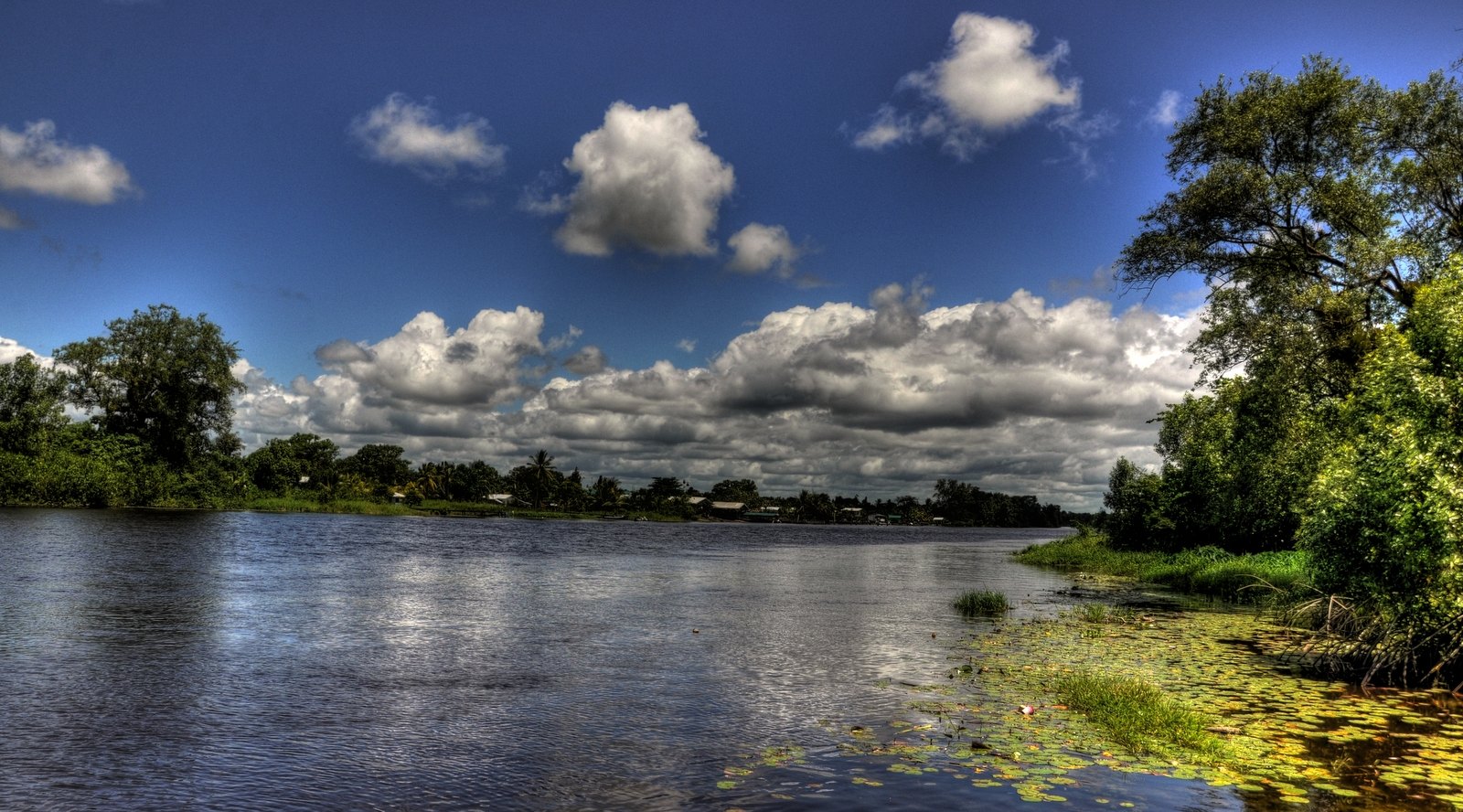
The Lokono of the Guianas
Farmed earth
Thousands of anthropogenic - human-built - mounds rise in the Middle Berbice savannahs of Guyana: fertile soil deliberately made, which the excavators tentatively link to the Lokono's ancestors.
Rooted WisdomAgroecology faults industrial farming for depleting soil in the name of productivity; whoever built the Amazon's dark-earth fields did the opposite - they manufactured fertile ground that still holds centuries later.
The evidence in the Lokono entry →
The Lokono of the Guianas
Lokono
'The people' - the people's own name, against the borrowed label 'Arawak' that history books attached to them.
Rooted WisdomColonial record-keepers sorted peoples into names useful for administration; insisting on one's own name takes the record back - a live issue from museum labels to census forms.
The evidence in the Lokono entry →