A learning atlas
The land was the first library.These are its living readers.
A learning atlas of Indigenous knowledge systems - documented, sourced, and alive - and of the peoples who carry them.
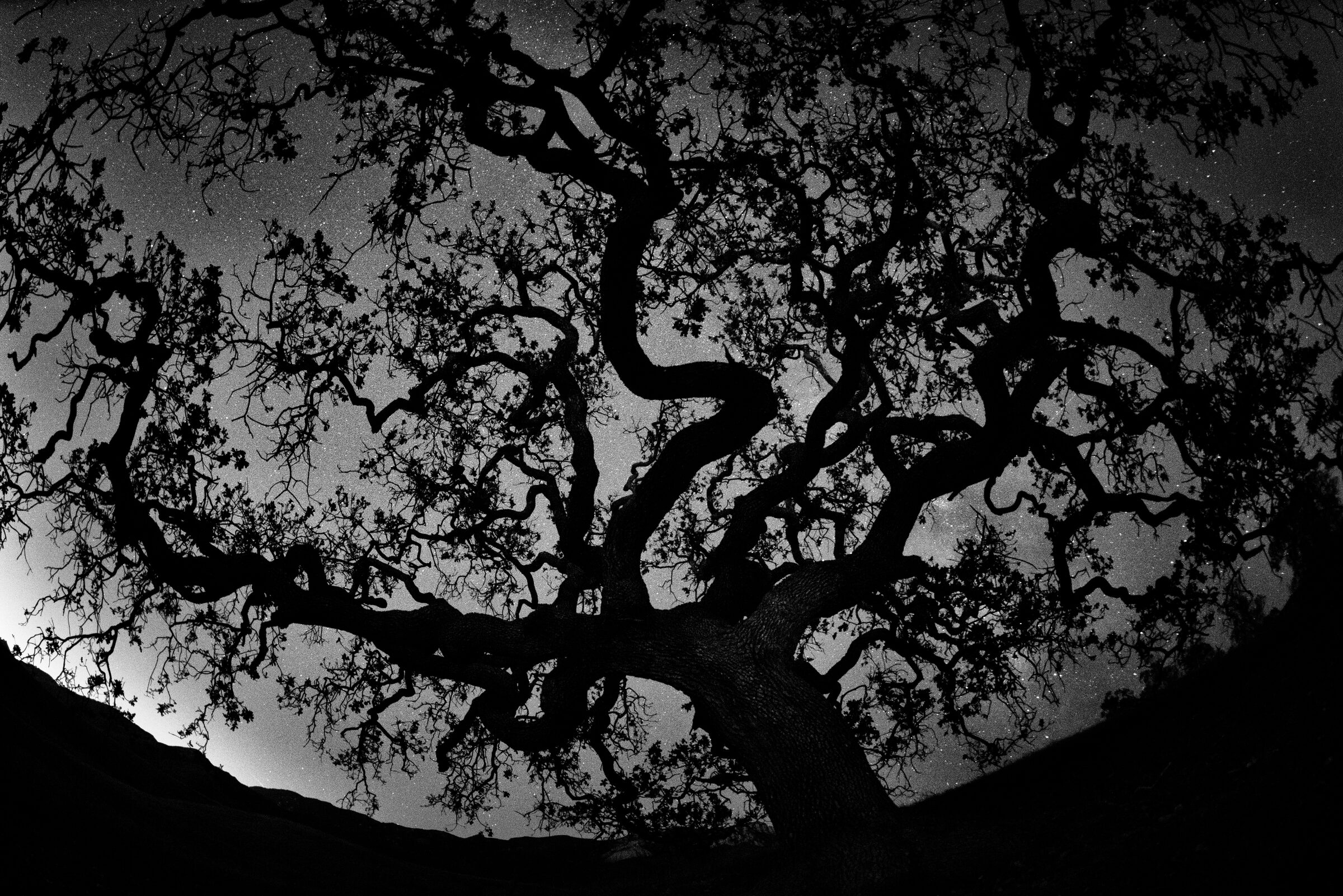
The Milky Way over Satwiwa, Santa Monica Mountains - Chumash land - Mike Shaw, National Park Service, Public domain

Why this exists
Unlimited growth was the illusion. Reciprocity was the technology.
For most of human history, peoples on every continent built societies out of long attention to their land: knowledge of fire, water, seeds, forests, seasons, and obligation, engineered over millennia and carried in language, ceremony, and law. That knowledge was never static, and no people were perfect caretakers - but it was deep, tested, and local in ways industrial society is not.
Colonial expansion treated those societies as obstacles. The record of what followed - dispossession, forced assimilation, genocide - is documented, and this atlas does not look away from it. But the story does not end in loss. These are living nations: governing, teaching, litigating, reviving languages, and winning back land today.
This site gathers a small, sourced sample of that knowledge, people by people, book by book. It is a reading list made visible - not an encyclopedia, and not an authority.
Indigenous people worldwide, in more than 5,000 distinct groups across around 90 countries
UN / WHO / FAOof the roughly 7,000 languages in the world are endangered to some degree; most of them are Indigenous
UNESCO, Decade of Indigenous Languages 2022-2032of global land is traditionally owned, managed, used or occupied by Indigenous Peoples - and nature is declining less rapidly there (2019 assessment)
IPBES Global Assessment, 2019planetary boundaries breached in the 2025 Planetary Health Check (six of nine in 2023)
Potsdam Institute, 2025The atlas
Nations and knowledge systems
Each entry names people as they name themselves, separates documented history from interpretation, and names its sources. The atlas grows by evidence, not by quota.
 01
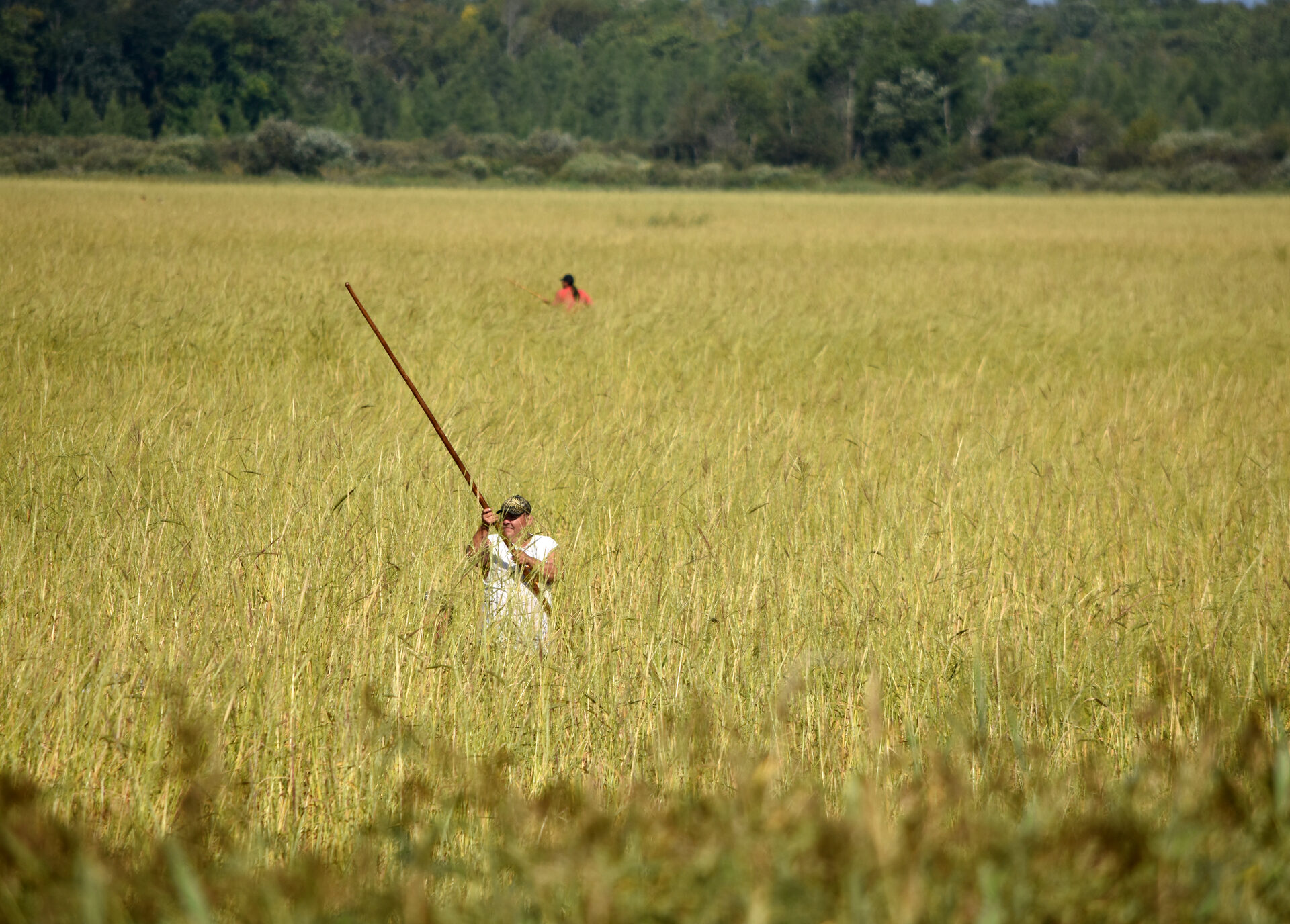
The Anishinaabe of the Great Lakes
The Honorable Harvest, the Seven Grandfather Teachings, and the wild rice that a nation crossed a continent to find.
 02
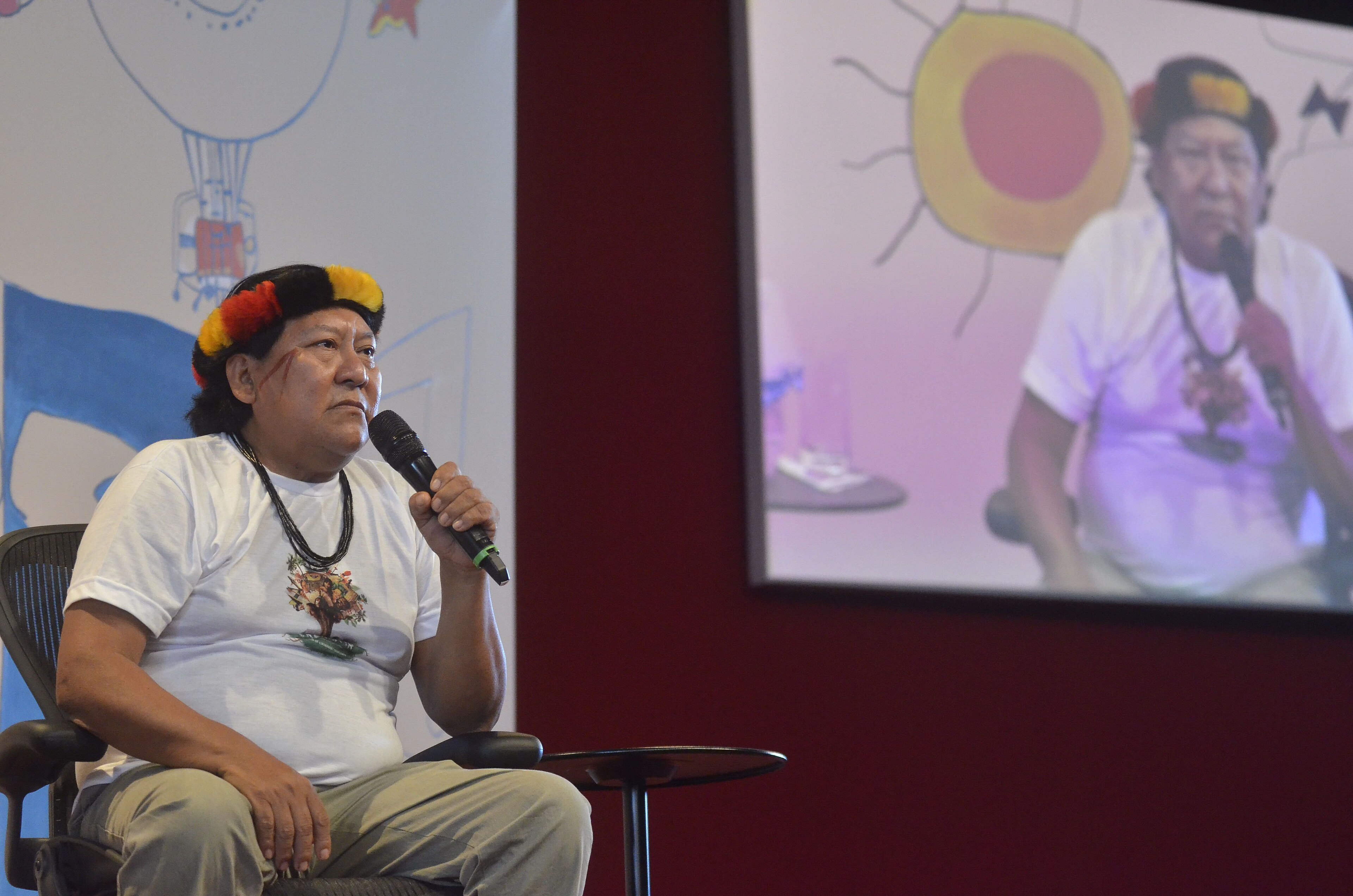
The Yanomami of the Amazon
A shaman's warning from the forest: the sky can fall.
 03
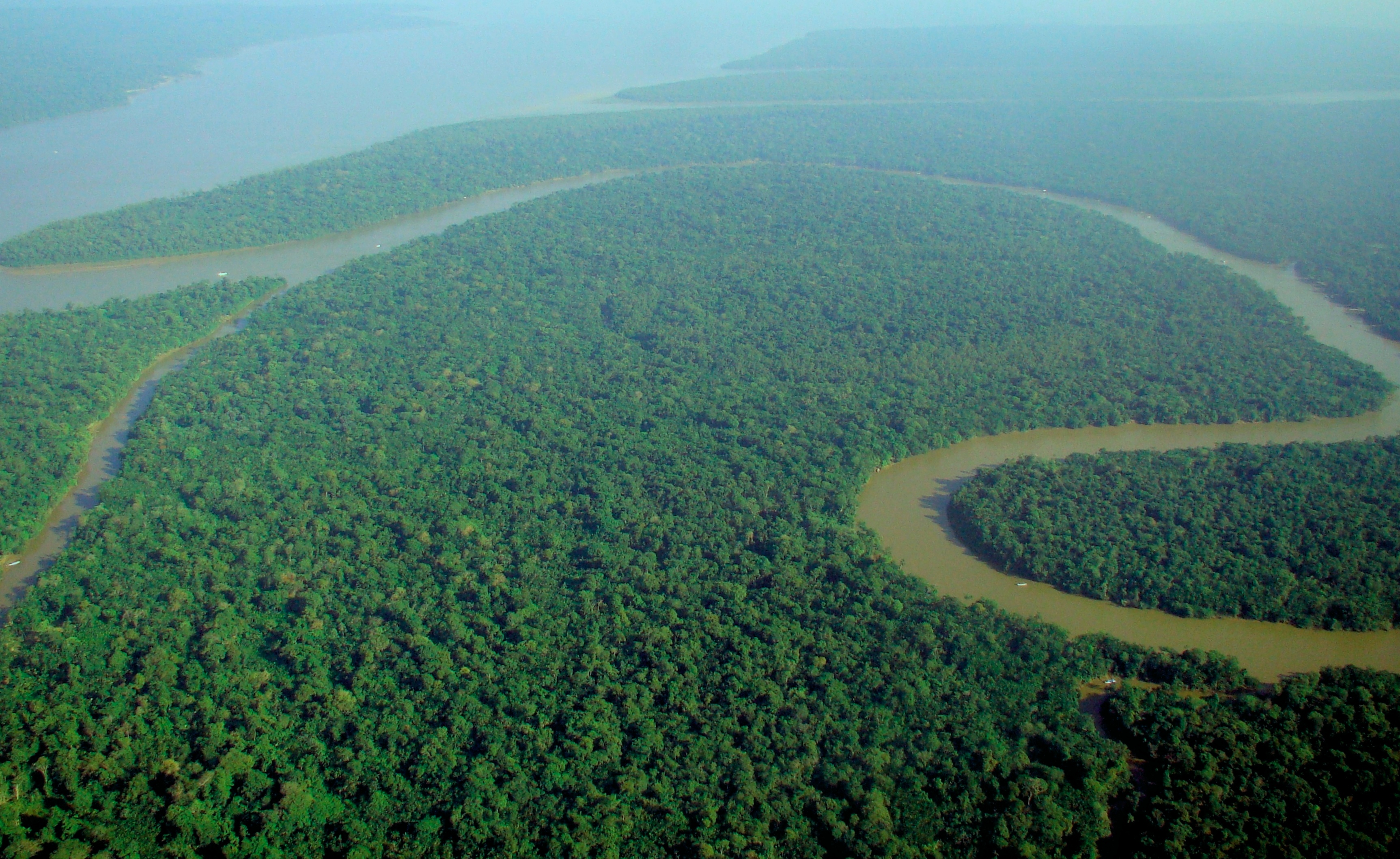
The Waorani of the Ecuadorian Amazon
A people who beat an oil auction in court, in the state's own language.
 04
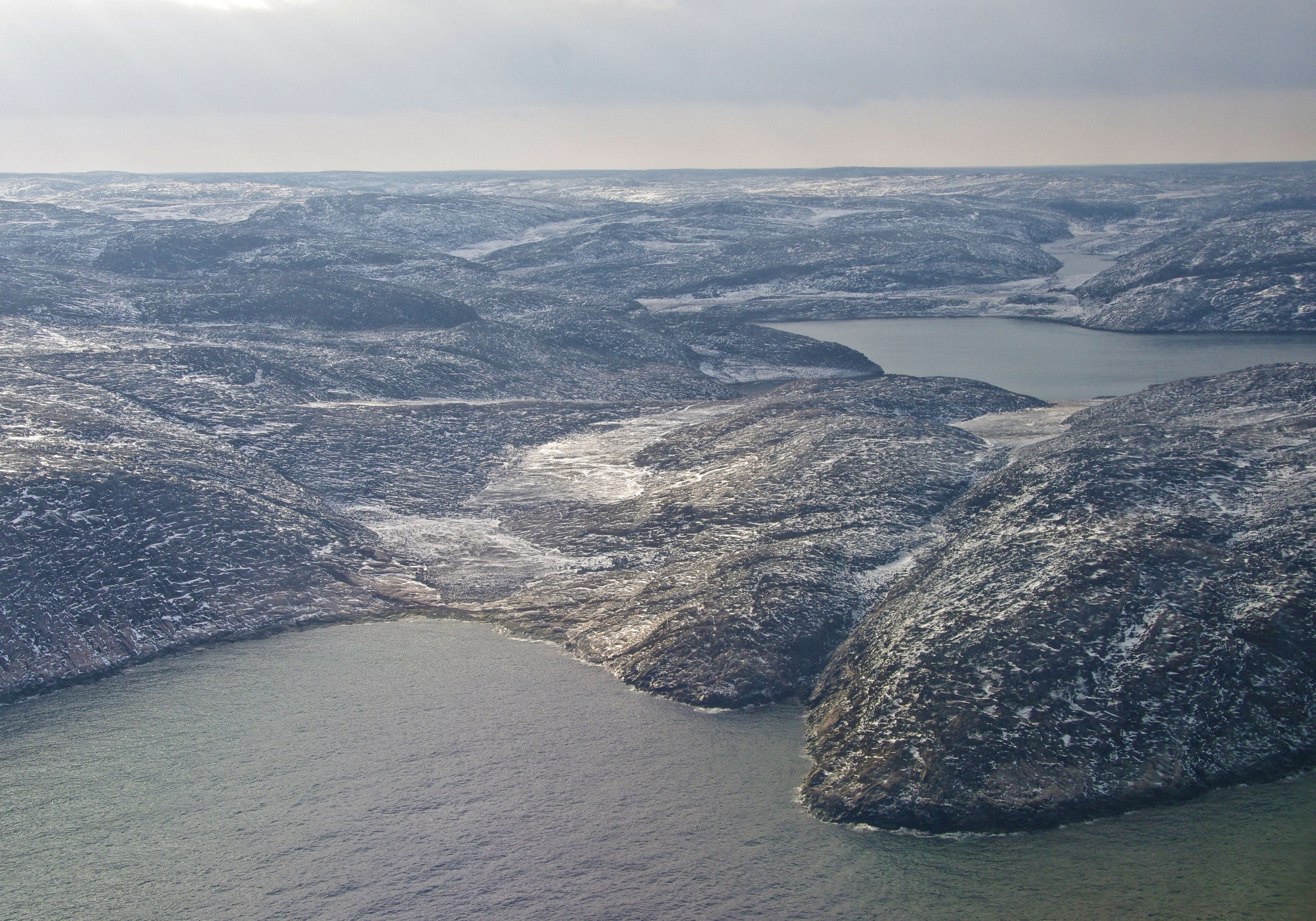
The Inuit of Nunavik
The Arctic as homeland and early-warning system - and the human right to be cold.
 05
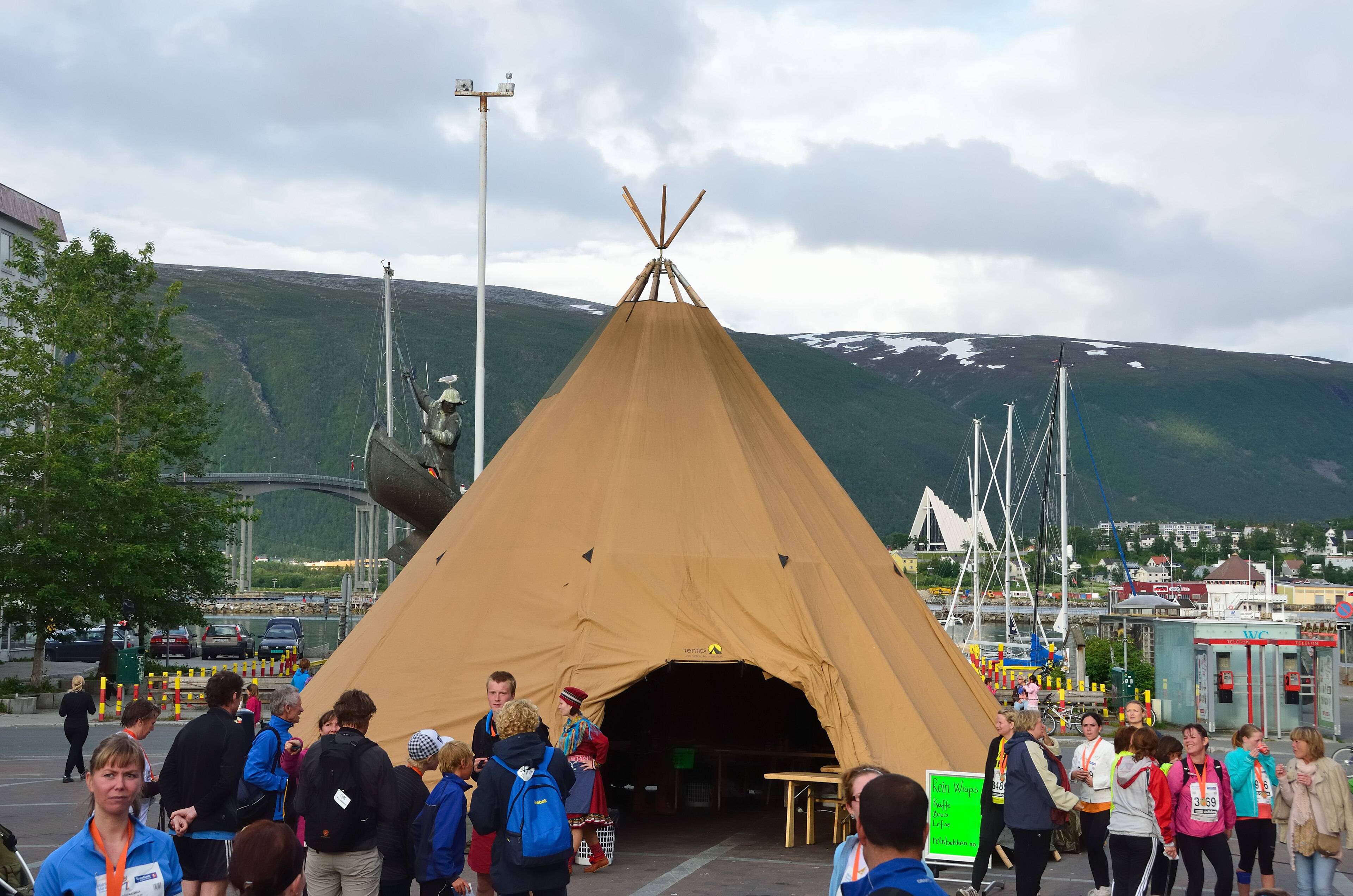
The Sámi of Sápmi
Assimilation in a model social democracy - and reindeer herders versus green energy built without consent.
 06
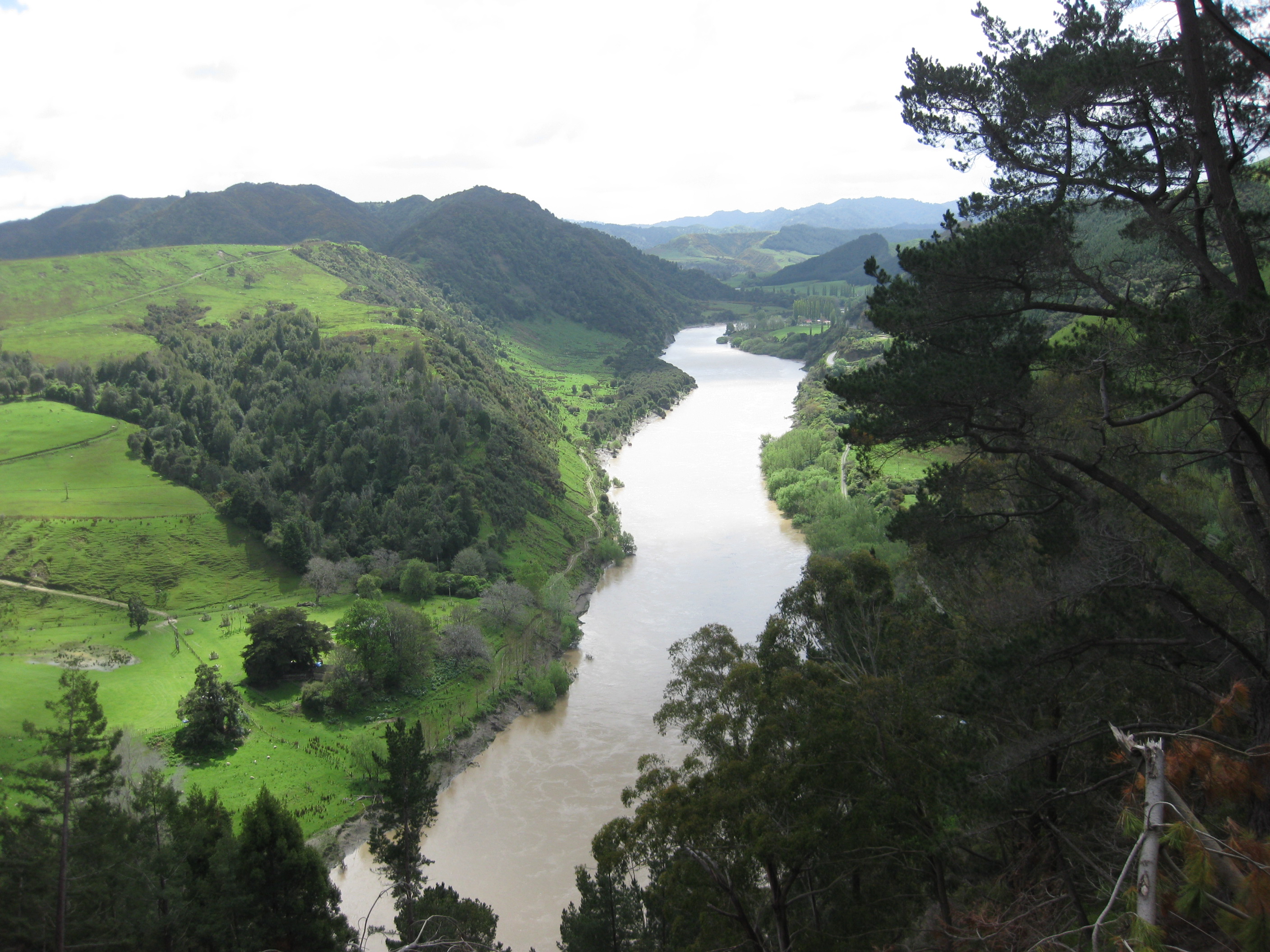
The Māori of Aotearoa
A language brought back from the edge by 'language nests' - and a river that is, in law, a person.
 07
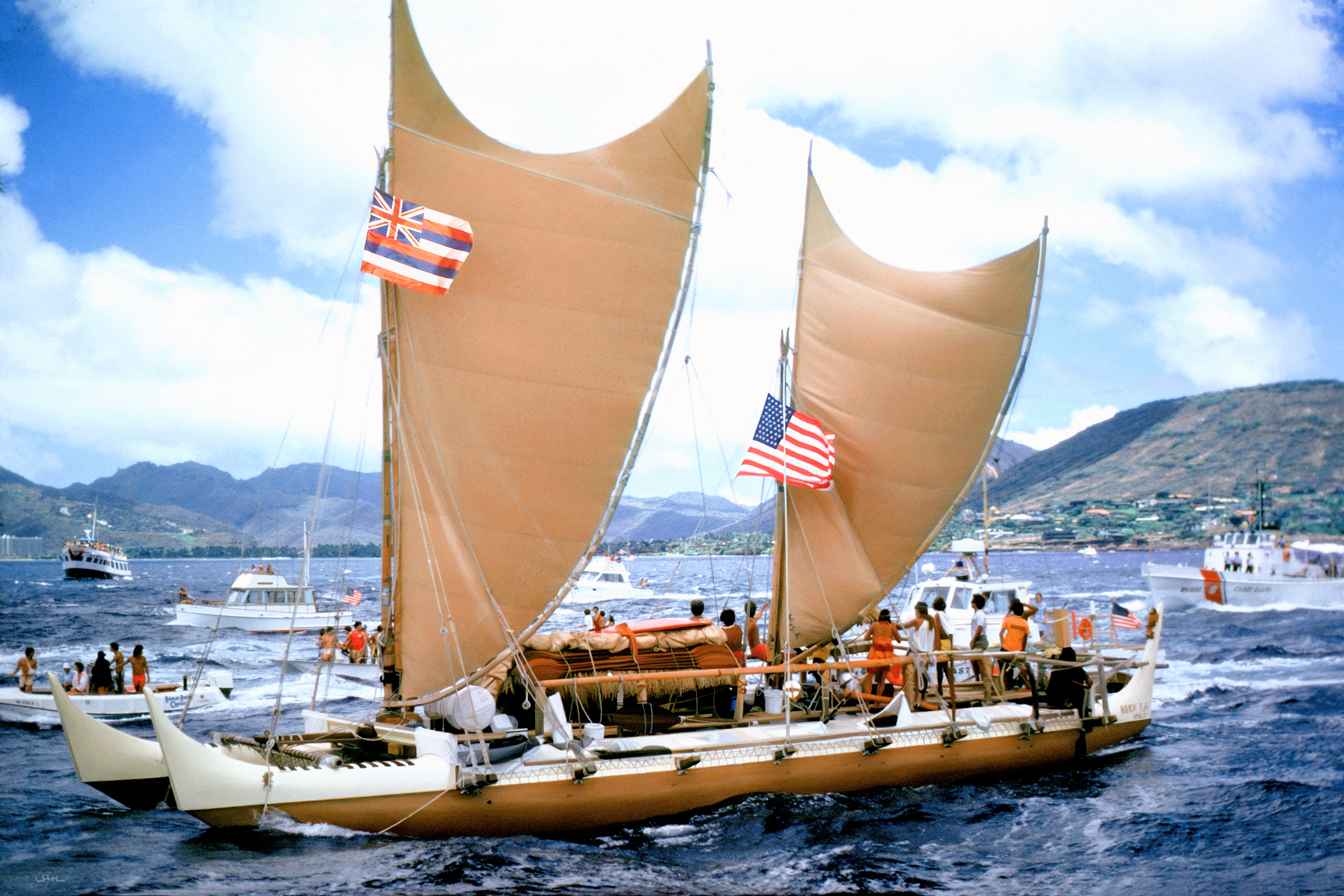
The Kānaka Maoli of Hawaiʻi
A canoe that rebuilt a science, a language rebuilt from preschool - and an ocean redefined as a highway.
 08
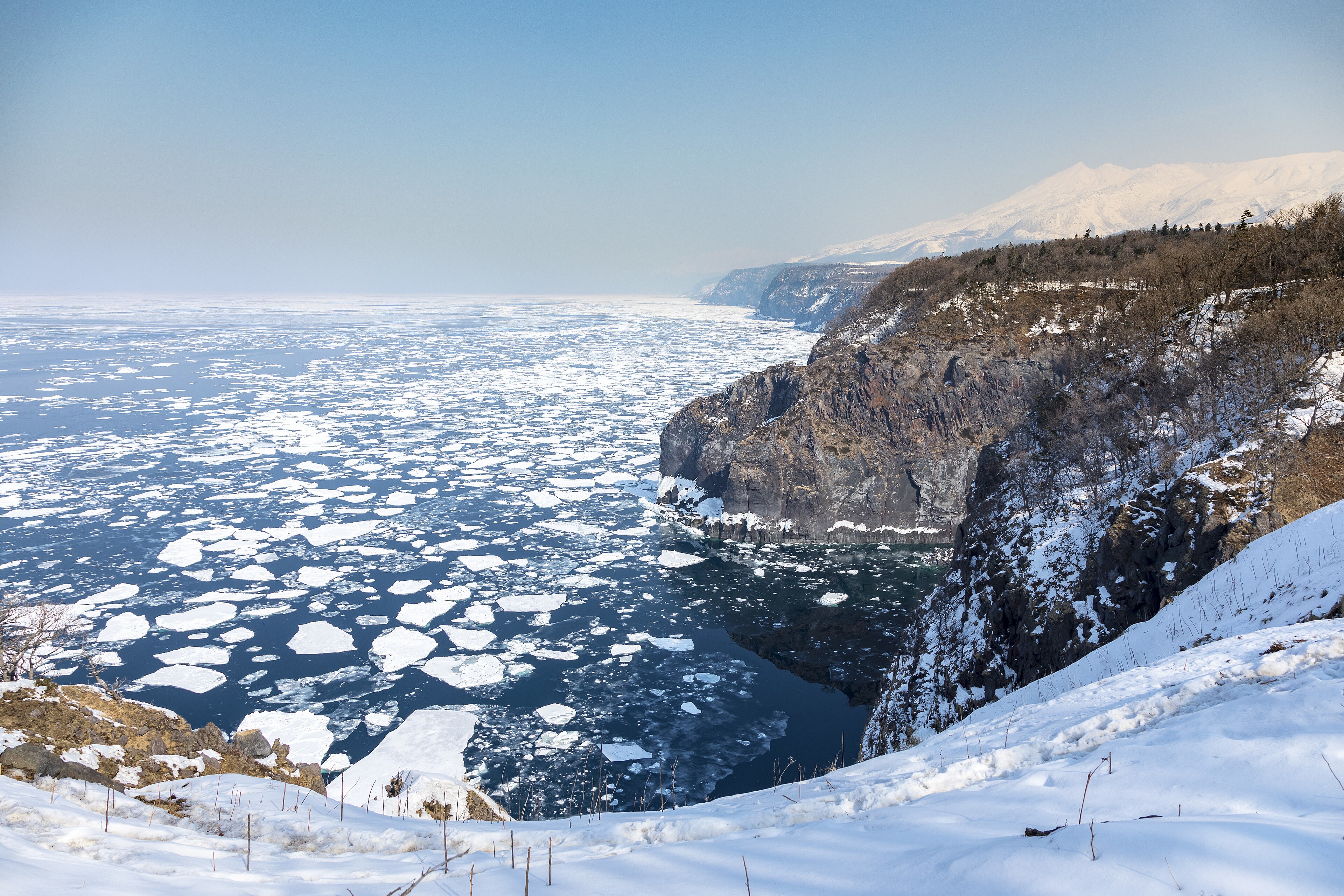
The Ainu of Hokkaido
A state that legally denied a people's existence for a century - and the slow, still-incomplete undoing.
 09
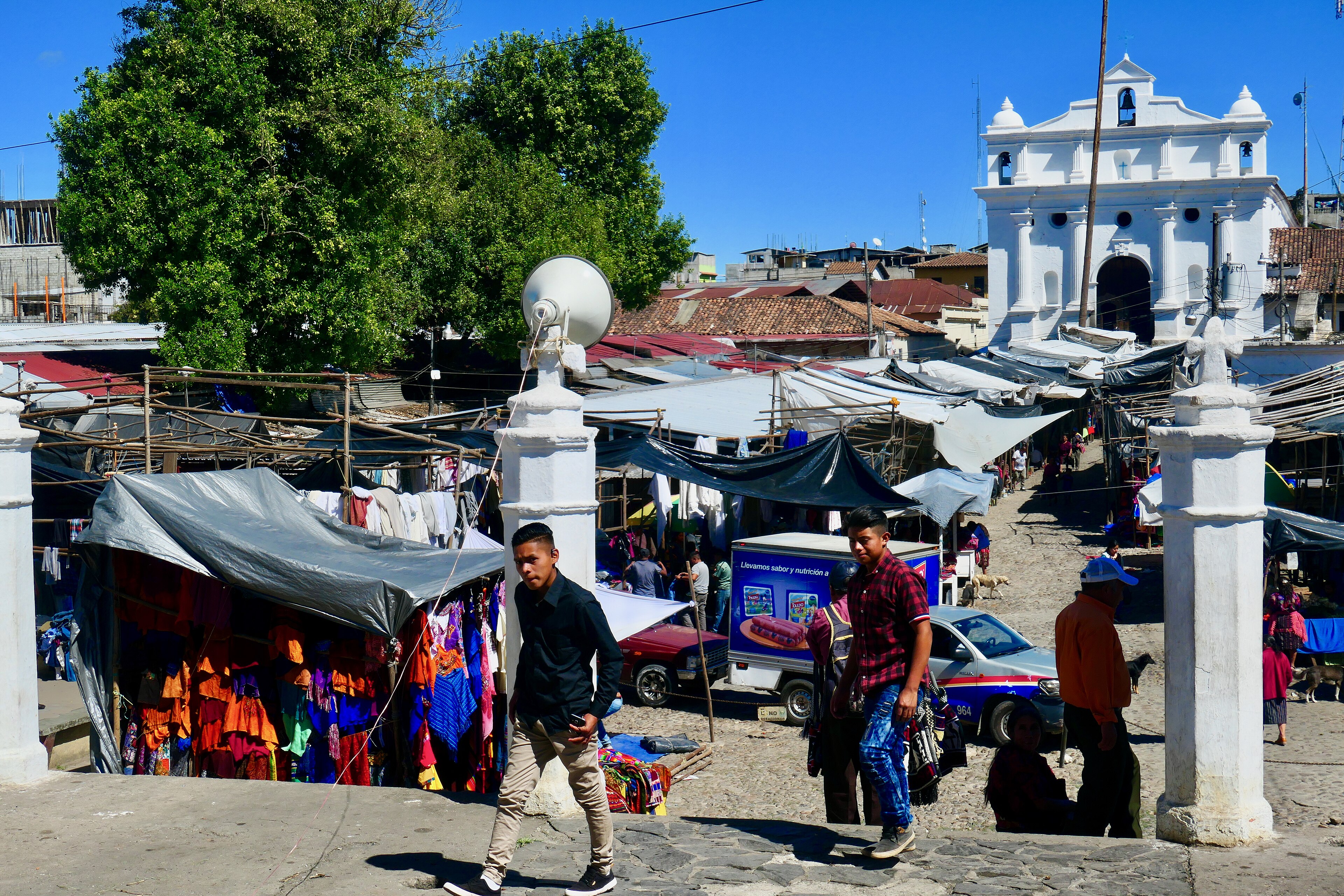
The Maya K'iche' of Guatemala
A people the state called subversive and tried to erase - and the woman who told the world.
 10
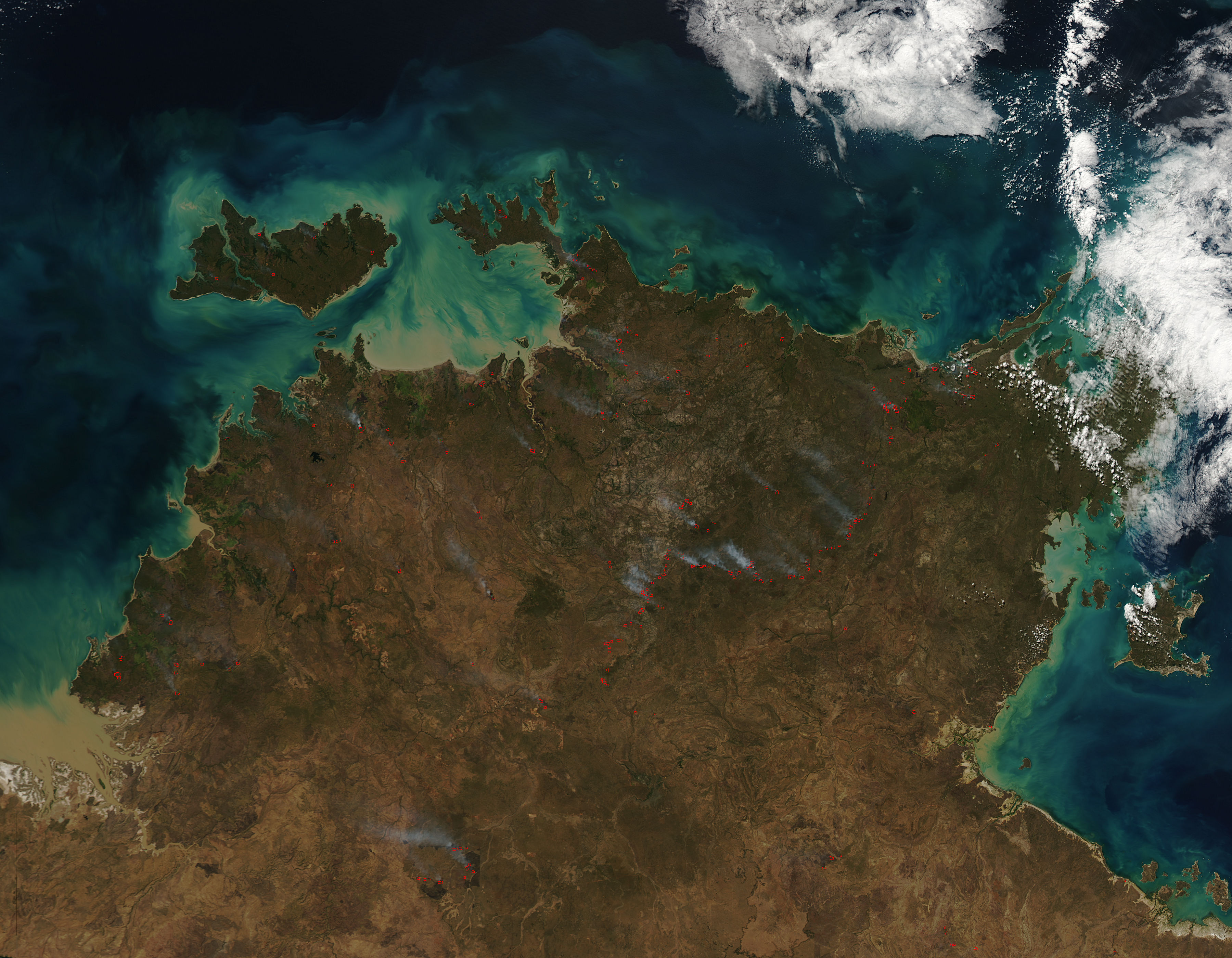
Aboriginal Australia: Many Nations
The oldest continuous cultures on Earth - and a continent managed by fire for sixty millennia.
 11
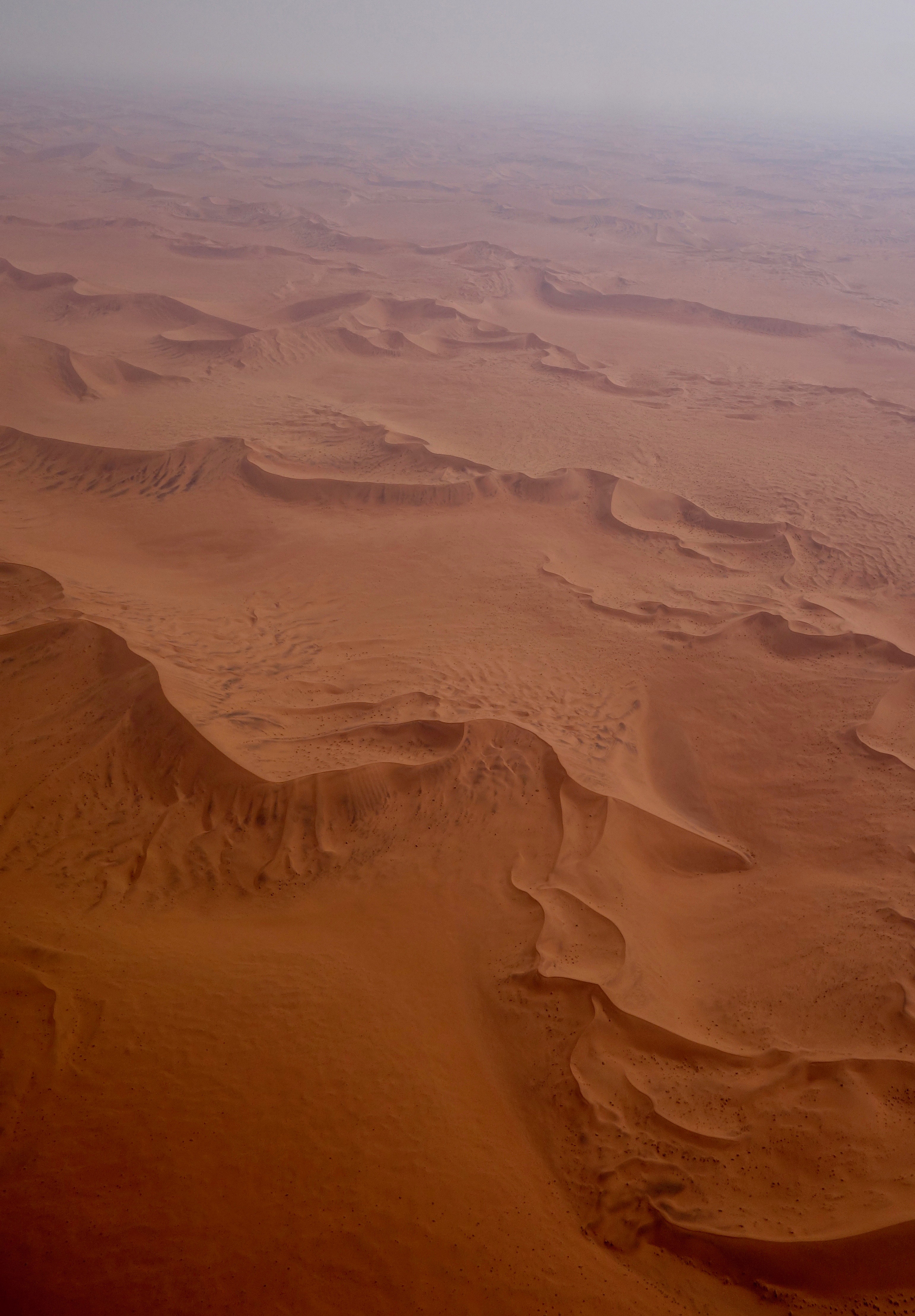
The Ovaherero and Nama of Namibia
The first genocide of the twentieth century - and a reckoning that took a century to arrive.
A living inheritance
Land back. Language back. River rights. Rice rights.
Original AI-generated illustration - artwork, not a photograph
The library
Every page of this atlas stands on a book.
Mostly by Indigenous authors, cited with publisher and year, with a note on why each one matters here.
Contribute
This atlas is incomplete by design.
Corrections, sources, and knowledge shared with permission are how it grows. Drafts are prepared locally on your device - nothing is sent or stored here.