RootedWisdom
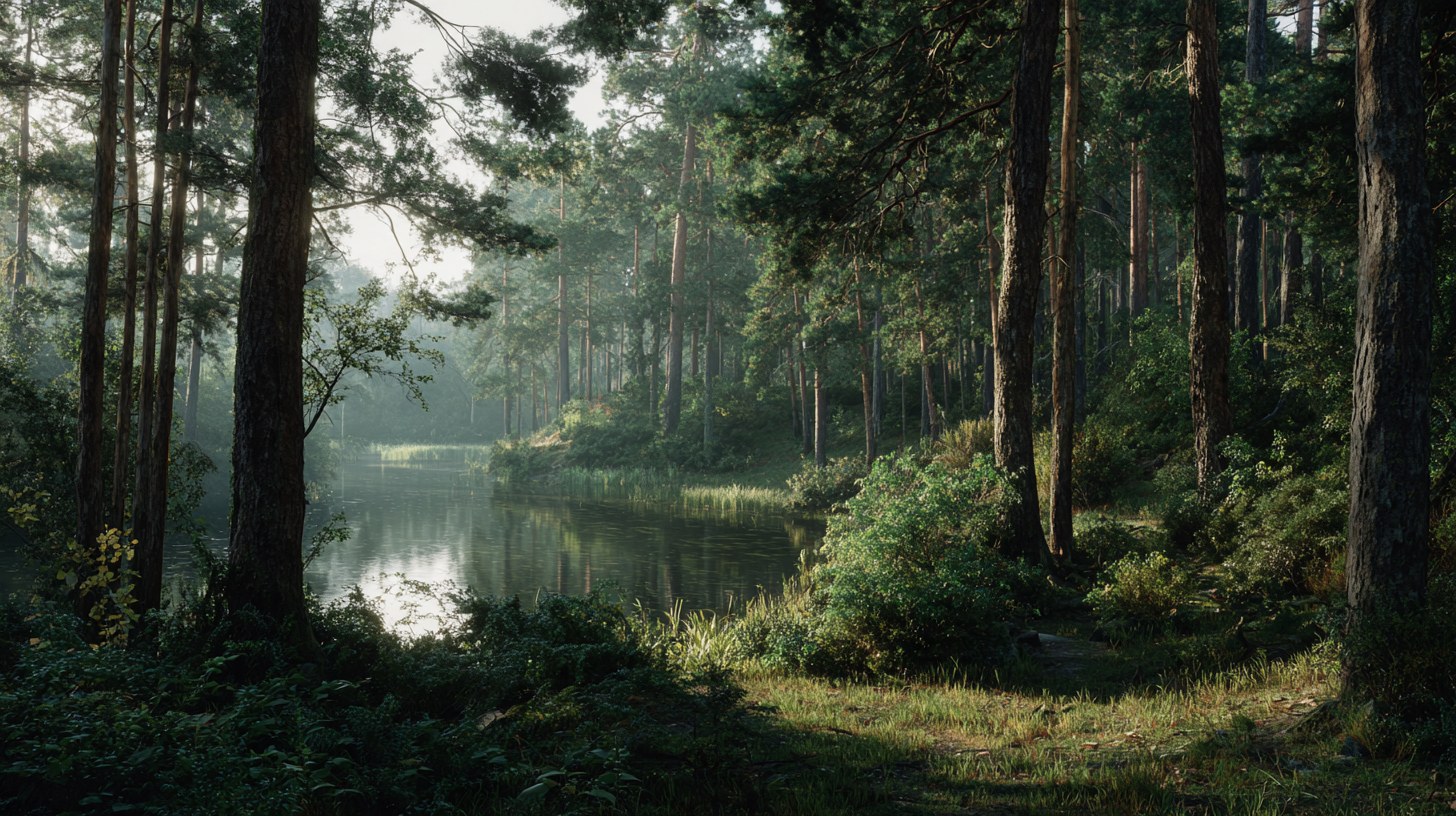
Imagined highland forest and lake - the montane forest the Ogiek call home, source of the waters below

Atlas / East Africa

The Ogiek of the Mau Forest

Self-designationOgiek (also spelled Okiek) - 'the Mau Forest Complex is our home', in the community's own protocol
HomelandThe Mau Forest Complex, Kenya - East Africa's largest montane forest, the water tower for the lakes and rivers below
LanguageOgiek, a Southern Nilotic language of the Kalenjin group - endangered; most Ogiek today also speak Kalenjin, Kiswahili or Kikuyu

Header image: Imagined highland forest and lake, in the spirit of the Mau - Original AI-generated illustration, Illustration, not a photograph

A documented history

The Ogiek are among the last forest hunter-gatherer and beekeeping peoples of East Africa. Their history of the last century is mostly a history of evictions - and of one court case that changed the law of a continent.

  1. Before the 20th centuryOgiek communities live in the high forests of the Mau, hunting, gathering, and above all keeping bees. Honey is food, medicine, trade and identity; the forest is not wilderness to them but a known and named home.
  2. 1930s-1940sBritish colonial authorities declare the Mau a Crown forest reserve, and evictions of forest-dwelling communities begin - carried out, the Ogiek will later argue, in the name of a forest their own way of life had kept standing.
  3. 1960s-2000sEvictions continue after independence, under successive Kenyan governments, in repeated waves. Meanwhile the forest itself keeps shrinking to logging, charcoal burning and official land excisions for settlement - which makes the claim that the Ogiek are the threat increasingly hard to defend.
  4. 2010The African Commission on Human and Peoples' Rights rules for another Kenyan Indigenous people, the Endorois of Lake Bogoria - the first ruling of its kind on the continent, and a signpost for what comes next.
  5. 2012The African Commission refers the Ogiek's case to the African Court on Human and Peoples' Rights, the African Union's continental court.
  6. 26 May 2017The Court rules: Kenya violated the Ogiek's rights to non-discrimination, culture, religion, property and development. It is the Court's first judgment on Indigenous peoples' rights.
  7. 23 June 2022The Court issues its reparations judgment - called unprecedented by the UN's expert on Indigenous peoples' rights: restitution of ancestral land, compensation, and official recognition of the Ogiek as an Indigenous people.

Implementation remains incomplete, and evictions have been reported since the ruling. The precedent the case follows tells the same story: implementation of the 2010 Endorois ruling was still incomplete as of a 2024 review by Minority Rights Group International. The judgment is a door opened, not a door walked through.

A way of knowing

The name itself carries the claim: Ogiek means 'caretaker of flora and fauna', in the words of Daniel Kobei of the Ogiek Peoples' Development Program - "we are conservationists." For the Ogiek, the deepest knowledge of the Mau is knowledge of bees - and of the forest read through them. An Ogiek beekeeper does not keep bees the way a modern apiarist does, in rows of identical boxes. Traditionally the hives are hollowed logs, hung high in forest trees - which means the beekeeper must know the forest itself: which trees flower in which season, where bees like to nest, how to reach a hive without destroying it.

A 2020 ethnobotanical study documented sixty-six plant species woven into Ogiek beekeeping alone - trees and shrubs used for building hives, attracting swarms, smoking bees, and storing and using honey. That is not a list of ingredients; it is a map of the forest, held in practice. Like every living tradition, this one is changing: the same study records a shift, under outside influence, from forest log hives to modern box hives kept in open fields. The knowledge is not frozen, and it is not gone. The question the law was asked to answer is whether its owners get to keep the forest it belongs to.

The forest as relative

Honey is food, medicine, trade and identity; the forest is not wilderness but a known and named home, read through its bees and its flowering trees.

Rooted WisdomSixty-six plant species documented in Ogiek beekeeping alone - a map of the forest held in practice, not in books.

A people in court

The Ogiek argued their case in the state's own language - law - all the way to the African Union's continental court.

Rooted WisdomThe African Court's first judgment on Indigenous peoples' rights, and a reparations order the UN's expert called unprecedented.

“By expelling the Ogieks from their ancestral lands against their will, without prior consultation and without respecting the conditions of expulsion in the interest of public need, the Respondent violated their rights.”

African Court on Human and Peoples' Rights, Ogiek v. Kenya (2017), full judgment

The present tense

What this knowledge says to the present

Old knowledge, working now - the teaching or practice, the gap it answers, the evidence or record.

Each connection is labeled by what the evidence establishes: Written into law or practice
LawWritten into law or practice

A continental court names a forest people

The legal change

The African Court on Human and Peoples' Rights - the African Union's continental human-rights court - ruled in 2017 that Kenya had violated the Ogiek's rights to their ancestral forest. In 2022 it ordered what no African court had ordered for an Indigenous people before: give the land back, pay compensation, and recognize the Ogiek by name. For Indigenous peoples across Africa watching from their own threatened forests, the case became a legal road map.

The gap it answers

Conservation law across Africa long treated forests as empty space to be protected from people. The Ogiek case asked the harder question out loud: protected from whom - the people who had kept the forest for generations, or the logging, charcoal and settlement that were actually clearing it? The Court's answer recognized that a people's presence is not the opposite of conservation.

The record

Two judgments stand on the public record: the 2017 merits ruling and the 2022 reparations order. The honest limit: the 2010 Endorois precedent was still not fully implemented as of a 2024 review, Ogiek implementation is incomplete too, and evictions have been reported since the ruling. The law moved; the ground is still catching up.

2017the African Court's first Indigenous-rights judgment - for the Ogiek
2022the Court's first reparations order for an Indigenous people: land, compensation, recognition
66forest plant species documented in Ogiek beekeeping knowledge (2020 study)

Sources: African Court, Ogiek v. Kenya, merits judgment 2017 (full text); African Court, reparations judgment 2022 (PDF); UN News, 2022; Journal of Ethnobiology and Ethnomedicine, 2020 (open access); IIED Q&A with Daniel Kobei (OPDP) - the name's meaning, in the community's words

A living nation

The Ogiek today are organized and fighting - through community organizations like the Ogiek Peoples' Development Program, through honey cooperatives turning their oldest knowledge into livelihoods, and through a court that has now ruled in their favor twice - on the merits in 2017, and on reparations in 2022.

The struggle is the land itself: without secure title to the Mau, every judgment is a promise waiting to be kept. The Ogiek have been remarkably patient with promises. The court record suggests they are done waiting.

Reading

Ogiek v. Kenya - the merits judgment

African Court on Human and Peoples' Rights · 26 May 2017

The full ruling, free to read via AfricanLII - the first Indigenous-rights judgment in the Court's history, in the judges' own words.

The reparations judgment

African Court on Human and Peoples' Rights · 23 June 2022

The order on land restitution, compensation and recognition - called unprecedented by the UN's expert on Indigenous peoples' rights.

Sources