Atlas / Amazon, Ecuador
The Waorani of the Ecuadorian Amazon
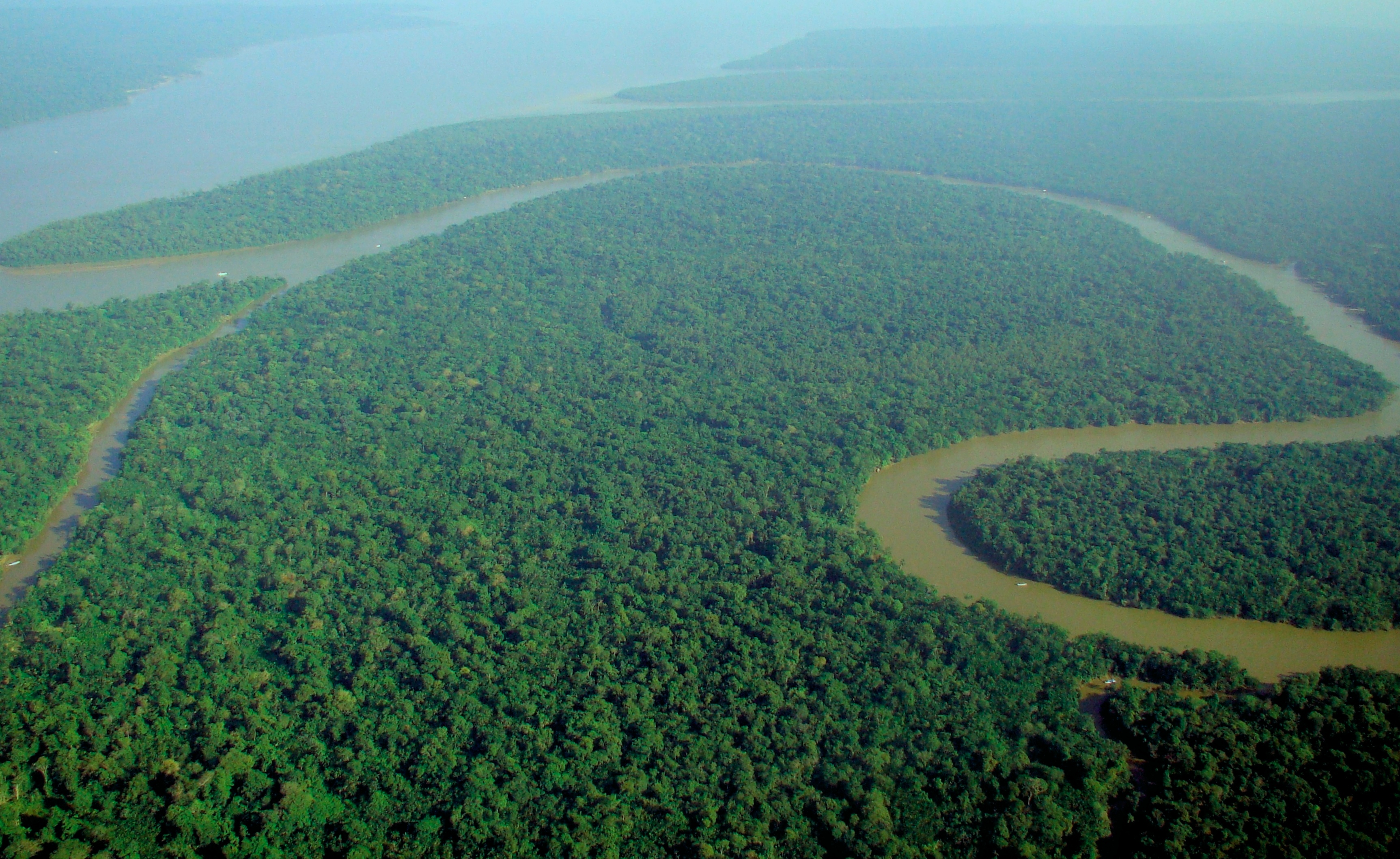
Header image: The Amazon rainforest from the air (Rio Solimões region, Brazil) - the biome the Waorani defend; not itself Waorani territory - lubasi via Wikimedia Commons, CC BY-SA 2.0

A documented history
The Waorani were among the last peoples of the Ecuadorian Amazon to face sustained contact: American evangelical missionaries reached them in the 1950s, within living memory of today's elders. 'We have only known you for 70 years,' Nemonte Nenquimo wrote in an open letter to the Western world, 'but we are fast learners, and you are not as complex as the rainforest.' Contact brought epidemics, mission settlement, and then oil companies carving concessions into the territory.
Waorani resistance moved into the state's own arenas. In 2019, communities of Pastaza province sued the Ecuadorian government over an oil auction of their land - and won, protecting 500,000 acres of forest from extraction. The ruling forced a standard the state had avoided: consultation with Indigenous peoples must be real, informed, and in their own language.
- 1950sAmerican evangelical missionaries make sustained contact; epidemics and mission settlement follow, then oil concessions.
- 2019Waorani communities win their lawsuit against Ecuador's oil auction: 500,000 acres protected; consultation standards rewritten.
- 2020Nemonte Nenquimo receives the Goldman Environmental Prize; her open letter to the Western world runs in The Guardian.
- 2025We Will Be Jaguars: A Memoir of My People published (ABRAMS), written with Mitch Anderson.

A way of knowing
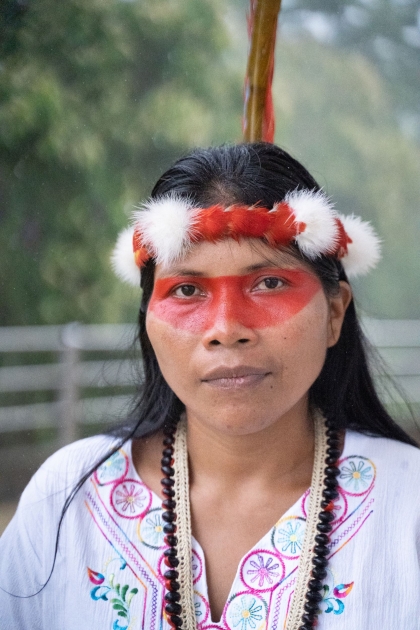
Nenquimo names the outsider who knows too little for the power he wields: cowori. Against him stands a knowledge system built over millennia of reading the forest - its plants, its seasons, its spirits - taught person to person, elder to child. 'My elders are my teachers. The forest is my teacher.'
Her open letter makes the epistemic point sharply: 'the less you know about something, the less value it has to you, and the easier it is to destroy.' Respect, not salvation, is the ask: 'the Earth does not expect you to save her, she expects you to respect her. And we, as Indigenous peoples, expect the same.'
“My elders are my teachers. The forest is my teacher.”
Nemonte Nenquimo (Waorani), The Guardian (2020), source
A living nation
Nenquimo is cofounder of the Ceibo Alliance, an Indigenous-led organization defending territories across the Upper Amazon, and was the first female president of the Waorani organization of Pastaza province. The 2019 courtroom victory won her the 2020 Goldman Environmental Prize and a place in the Time 100.
The Waorani case is now a working template: land defense argued in courts, with maps, testimony and law, without abandoning the forest's own terms. Her 2025 memoir, written with Mitch Anderson, extends the argument to a wider audience.
Reading
We Will Be Jaguars: A Memoir of My People
Her own account: a Waorani childhood, the missions, and the fight for the forest. Co-written with Anderson (her husband and Amazon Frontlines cofounder); credited as such.
The Falling Sky: Words of a Yanomami Shaman
The deepest companion text from a neighboring forest people: another first-person critique of merchandise civilization. Kopenawa is Yanomami, not Waorani; the pairing is thematic, not ethnic.
Sources
- Goldman Environmental Prize: Nemonte Nenquimo, 2020 recipient
- The Guardian: Nemonte Nenquimo's open letter to the Western world (2020)
- ABRAMS: We Will Be Jaguars