Atlas / East Asia
The Ainu of Hokkaido
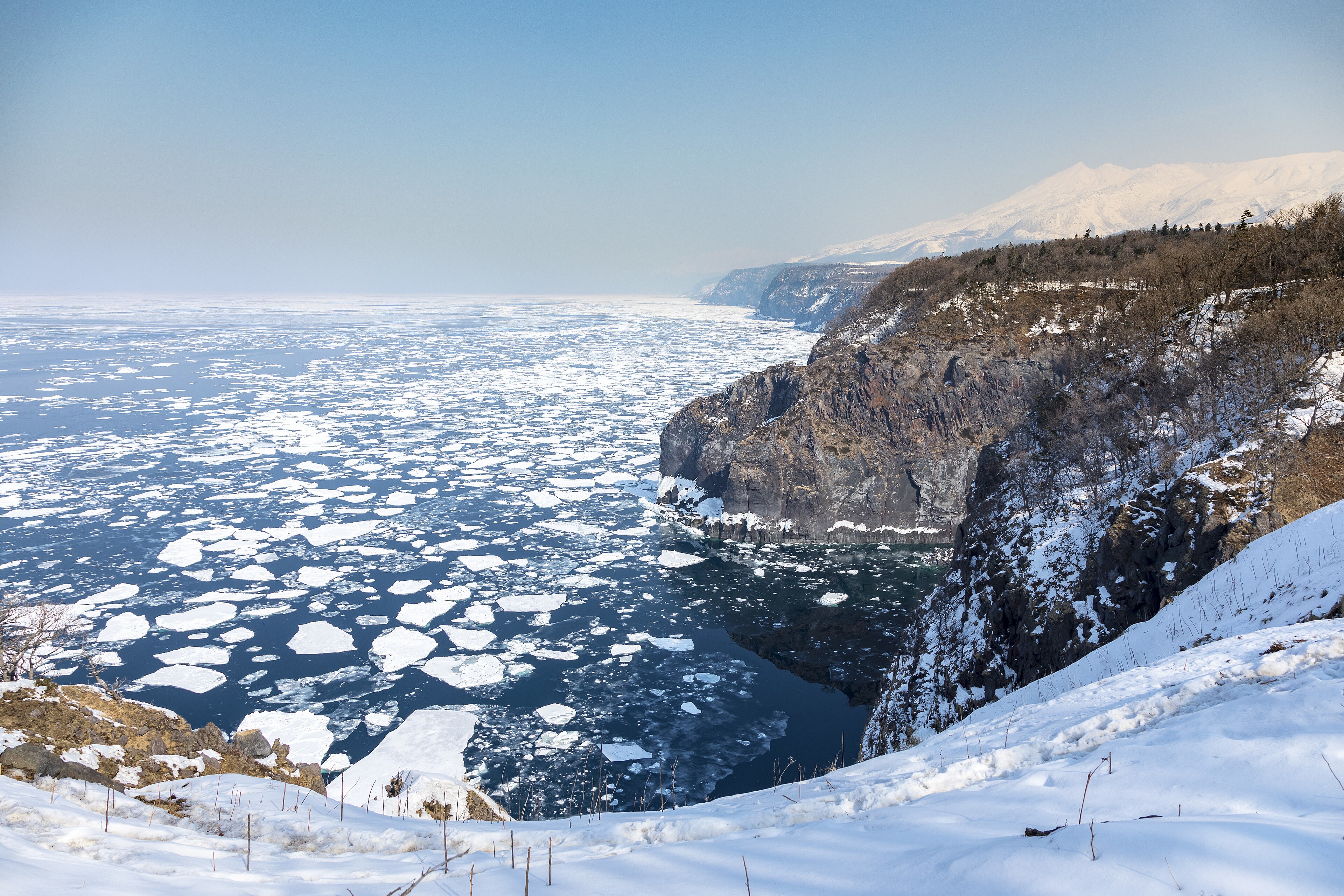
Header image: Drift ice off the Shiretoko Peninsula - from sir-etok, 'the end of the earth' in Ainu - Hokkaido, 2019 - kkawamura via Wikimedia Commons, CC BY 4.0

A documented history
When Japan colonized Hokkaido in 1869, it declared the island terra nullius - empty land - over a people who had lived there for centuries. The Hokkaido Former Aborigines Protection Act of 1899 then formalized the assimilation: Ainu were labeled 'former aborigines,' given marginal farmland, and pressed into Japanese-language schooling and assimilation policy that suppressed Ainu language and customs.
The erasure was ideological as much as legal. Official Japan described itself as a homogeneous nation, and for most of the twentieth century the Ainu simply did not exist in the national story - a policy Kayano Shigeru, the first Ainu member of Japan's parliament, spent a lifetime documenting and undoing.
- 1869Japan colonizes Hokkaido and declares it terra nullius; Ainu lands pass to the state.
- 1899Hokkaido Former Aborigines Protection Act imposes assimilation; Ainu language and customs suppressed.
- 1994Kayano Shigeru becomes the first Ainu member of Japan's Diet; his memoir reaches English readers.
- 2008The Diet unanimously recognizes the Ainu as an Indigenous people of Japan.
- 2019New Ainu law replaces the 1899 Act and commits the state to respect Ainu pride.
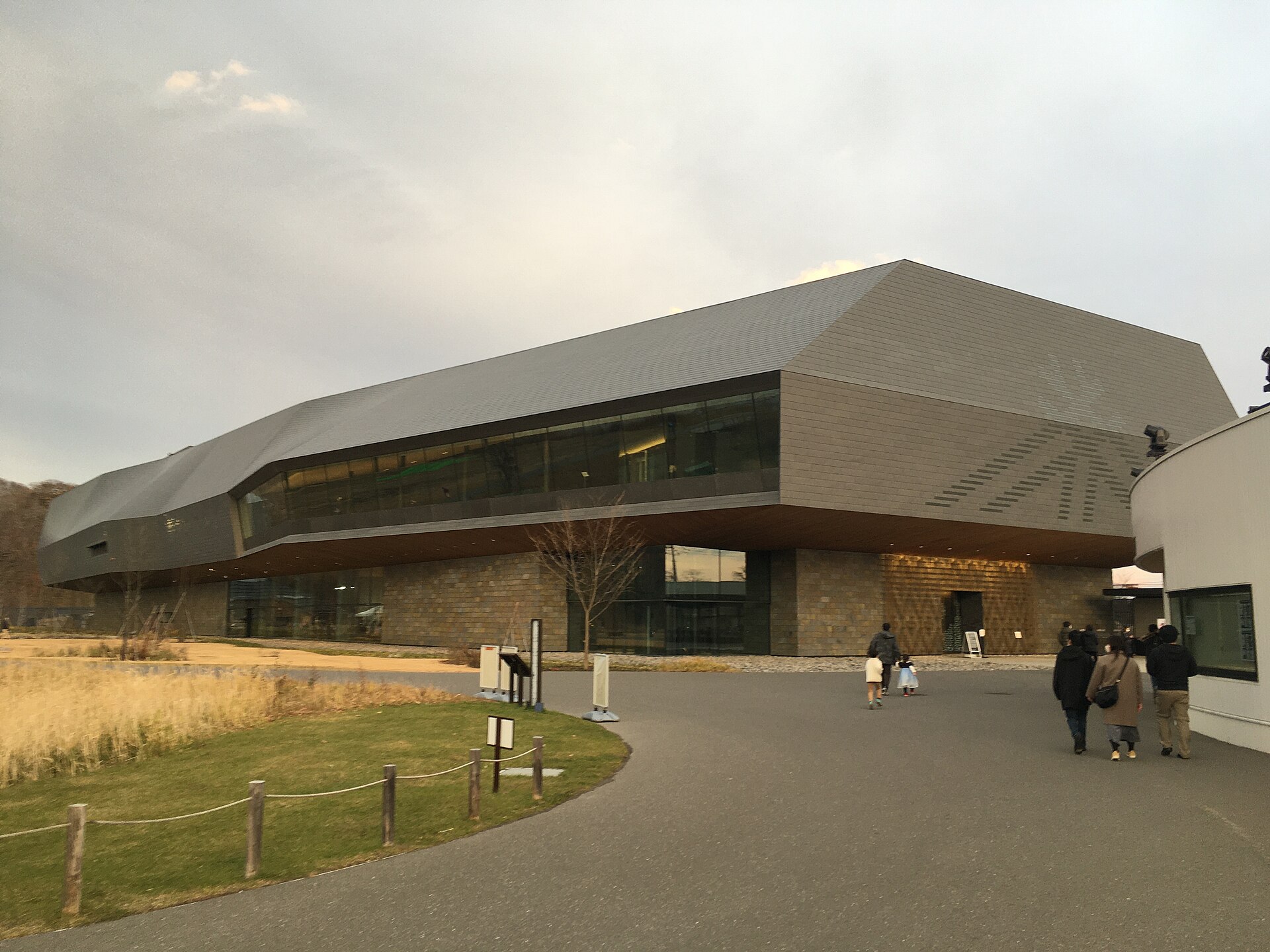
- 2020Upopoy, the National Ainu Museum, opens in Shiraoi, Hokkaido.

A way of knowing
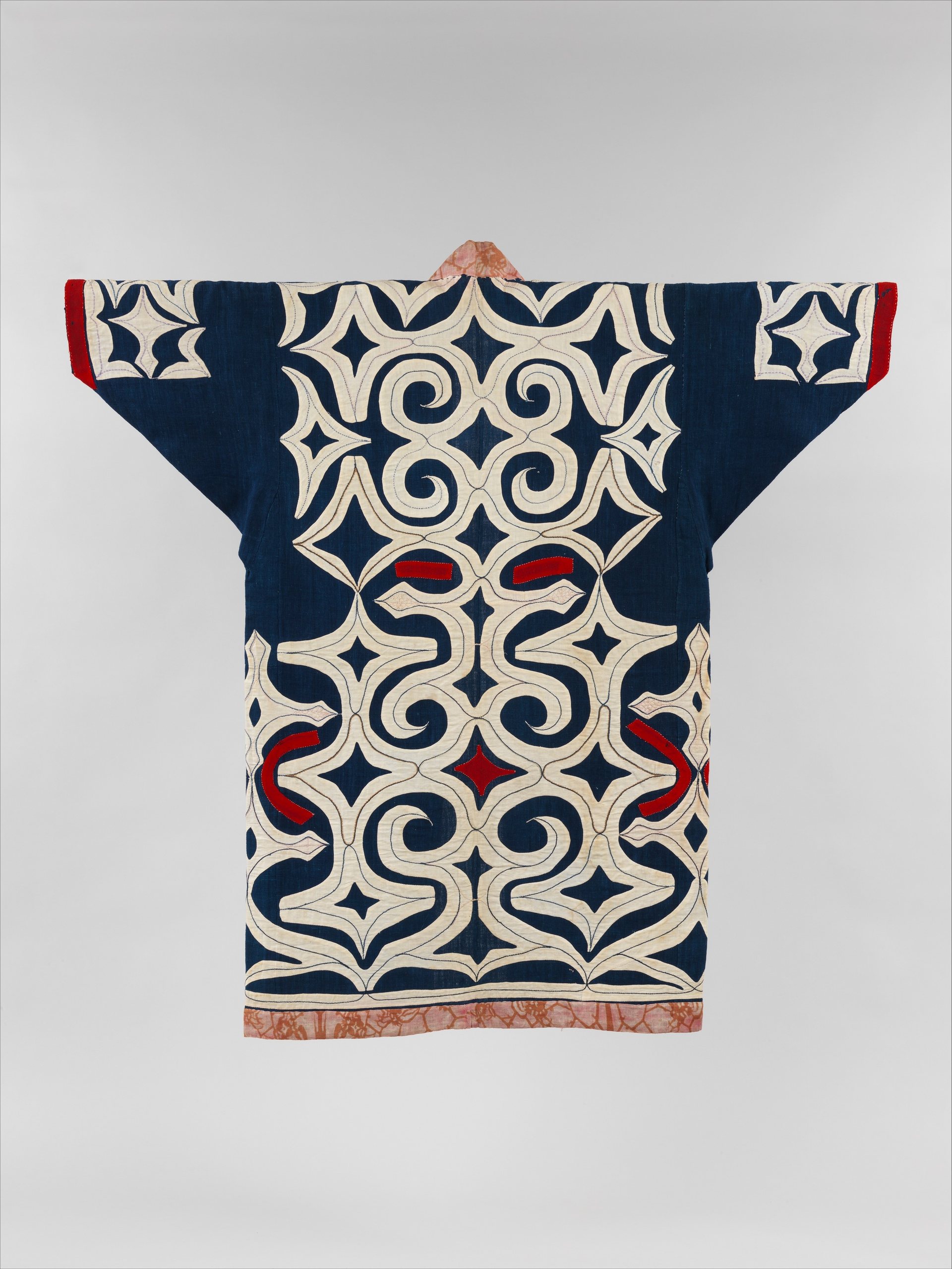
Ainu tradition is built around kamuy - the spirits present in animals, fire, water and tools - and around yukar, long oral epics that carried law, history and ecology without writing. Kayano Shigeru's memoir Our Land Was a Forest (with Mark Selden) records that world from inside: a childhood of salmon rivers, bear ceremonies and carved ritual objects, and the moment a collector's visit made him a keeper of his own culture.
This was working knowledge: salmon management, hunting seasons, and the etiquette of taking life, all run on reciprocity: gifts to the kamuy in return for what was taken. It is the same grammar of obligation this atlas meets on every continent - developed here independently, in a northern archipelago.
A living nation
In 2008, Japan's Diet unanimously resolved to recognize the Ainu as an Indigenous people - the first official admission. In 2019 the Act Promoting Measures to Achieve a Society in which the Pride of the Ainu People is Respected replaced the 1899 law for good, and in 2020 the National Ainu Museum, Upopoy, opened in Shiraoi - the country's first national institution dedicated to Ainu history and culture.
Recognition remains partial: the 2019 Act does not restore land or salmon-fishing rights, and Ainu organizations continue to press for the return of ancestral remains held by universities. The legal undoing is real and unfinished at once.
Reading
Our Land Was a Forest: An Ainu Memoir
The Ainu world recorded by the man who became its first parliamentarian - written with Selden, an American Japan scholar, and credited as such.
Ainu: Spirit of a Northern People
The catalog of the Smithsonian's landmark Ainu exhibition - artifact-level documentation of a material culture. The editors are non-Indigenous scholars; it complements, and does not replace, Kayano's own account.
Sources
- Government of Japan: Ainu policy measures (Cabinet Secretariat, English)
- 2019 Ainu Act - full English text (Japanese Law Translation)
- Routledge: Our Land Was a Forest - An Ainu Memoir